
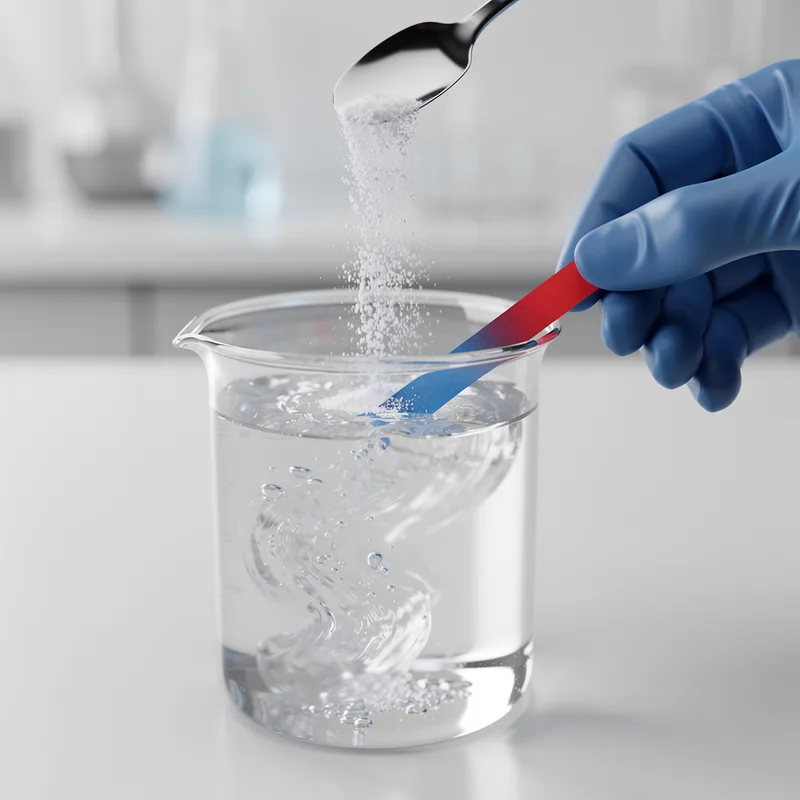
alkali
 1
7.0
1
7.0

- noun
- /ˈæl.kə.laɪ/
- Specialized
- Too much alkali in the solution can make it highly basic and potentially harmful.
- alkali-activated
- alkali-activated binder
- alkali metal
Examples
-
And I hope that when I pour in my alkali that these indicator colours would become apparent.
-
Acid plus alkali makes a salt plus water.
-
After the samples were cured for 28 days at a temperature of 60 degrees C, the alkali-activated materials produced a compressive strength of 71.1 MPa.
Academic text (2018) -
The compressive strength of alkali-activated tungsten mining waste mud and milled glass waste binder was 22 MPa after 28 days of curing.
Academic text (2018) -
When combined with acid, an alkali produces a neutralization reaction that results in salt and water.
-
In chemistry class, we learned that an alkali is a substance that can turn litmus paper blue.
Synonyms
 24
5.7
24
5.7
A chemical that neutralizes an acid and often turns litmus paper blue
 14
8.8
14
8.8
A very strong dangerous liquid that people use to clean and to make soap
Compounds

- Specialized
A soft metal that reacts strongly with water, like lithium, sodium, or potassium

- Specialized
Illness from strong cleaners like lye that you swallow, breathe in, or touch
How Basic

Surface Forms
Etymology
Alkali comes from the Arabic word al-qaly, meaning 'plant ashes' that people burned to make lye and soda. This idea is also behind the old English word potash, which comes from ashes used in pots. That's why an alkali is a substance that makes water 'basic' and can turn litmus paper blue.