

alary
- adjective
- /ˈeɪləri/
- Specialized
- The insect's alary appendages help it glide effortlessly through the air.
Examples
-
Botanists noted the alary extensions on the seeds, which aid their dispersal.
-
The alary structure of the bird's wings is fascinating.
-
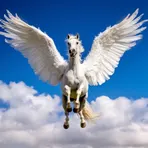
The ancient statue depicts a goddess with alary features.
-
The alary design of the butterfly's wings amazed everyone.
-
The insect's alary appendages help it glide effortlessly through the air.
-
Botanists noted the alary extensions on the seeds, which aid their dispersal.
-
The ancient statue depicts a goddess with alary features.
Synonyms
 31
3.9
31
3.9

With parts like feathers or thin flaps that help something fly
 1
8.8
1
8.8
Having wings or looking like wings, often in an odd and showy way


 1
4.5
1
4.5
Something shaped like a wing or placed like one

Having a shape like a bird's wing


Having the form of a bird's wing

With thin parts like wings that help seeds, leaves, or insects travel in the wind

With winglike parts that help seeds or insects move through the air
How Winged

Surface Forms
Morphology
Etymology
Alary comes from the Latin root ala, which means 'wing'. So alary describes something 'wing-like' or having wing parts, like seeds or insects that use small wings to glide through the air.