
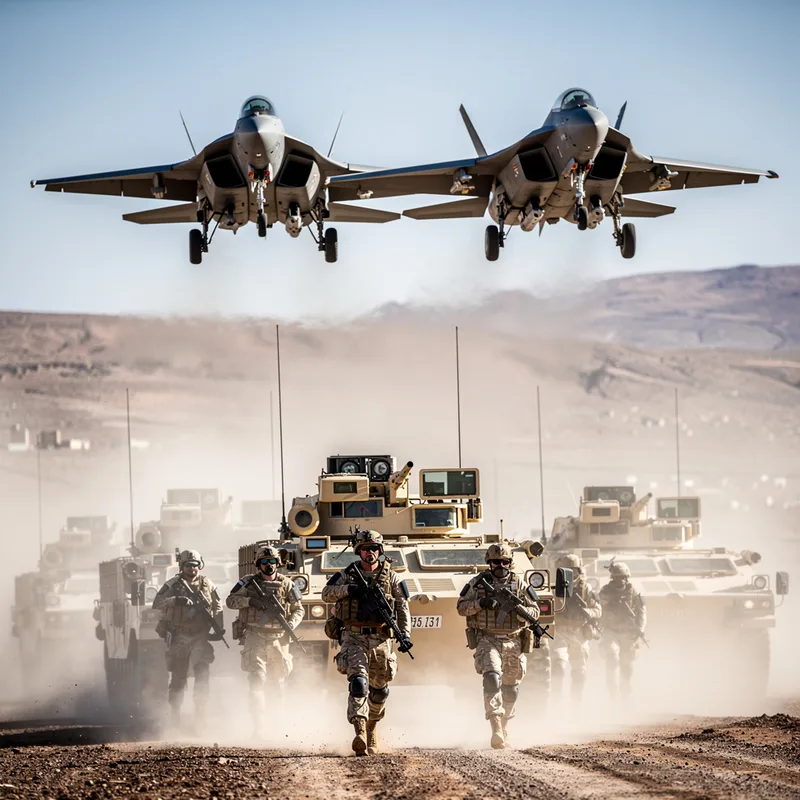
air cover
 9
5.0
9
5.0

- noun
- /ɛr ˈkʌvər/
- Jargon
- We're supposed to have Allied air cover and we don't.
- provide air cover
- need air cover
- air cover mission
Loading YouTube…
Watch on YouTubeBut for you to say it, you have so much more air cover than I do.
- But for you to say it, you have so much more air cover than I do.
Examples
-
Without air cover, the anti-Castro force's ships are attacked.
-
All remaining Blackhawks, provide air cover.
-
We can be in range of air cover in 24 hours.
-
We need air cover down here now!
-
I can't guarantee air cover after that.
-
We've been given the frag order to provide air cover for the landing.
-
1,500 men had been dumped on a shore without air cover or protective fire from ships.
-
Thus, the air force provided air cover to the attacking ground troops in addition to other support missions, while the navy engaged in limited shelling of the Karachi harbor to divert Pakistani troops from the invading Indian ground forces.
Academic text (1999) -
The military aircraft provided air cover during the operation to ensure the safety of the ground troops.
-
During the invasion, the forces relied on air cover to protect them from enemy attacks.
Synonyms
 35
4.1
35
4.1
Aircraft that help soldiers on the ground during fighting
 7
7.4
7
7.4
A group of military planes that fly above and protect soldiers on the ground
How Protective
- Jargon
9
5.0

- Specialized

 1
7.3
35
4.1
1
7.3
35
4.1
- Specialized
Surface Forms
Morphology
The meaning is directly derivable from combining 'air' (aviation/aircraft) and 'cover' (to protect): the phrase denotes protection provided by aircraft and follows a straightforward noun–noun composition. This concept is common cross-linguistically (e.g., Spanish 'cobertura aérea', French 'couverture aérienne'), so a B1 learner who knows the constituents will readily infer the meaning.
Etymology
Air cover comes from wars when air planes flew above troops to protect them, acting like a cover or roof against enemy attacks. That's why air cover means 'protection by aircraft'.