
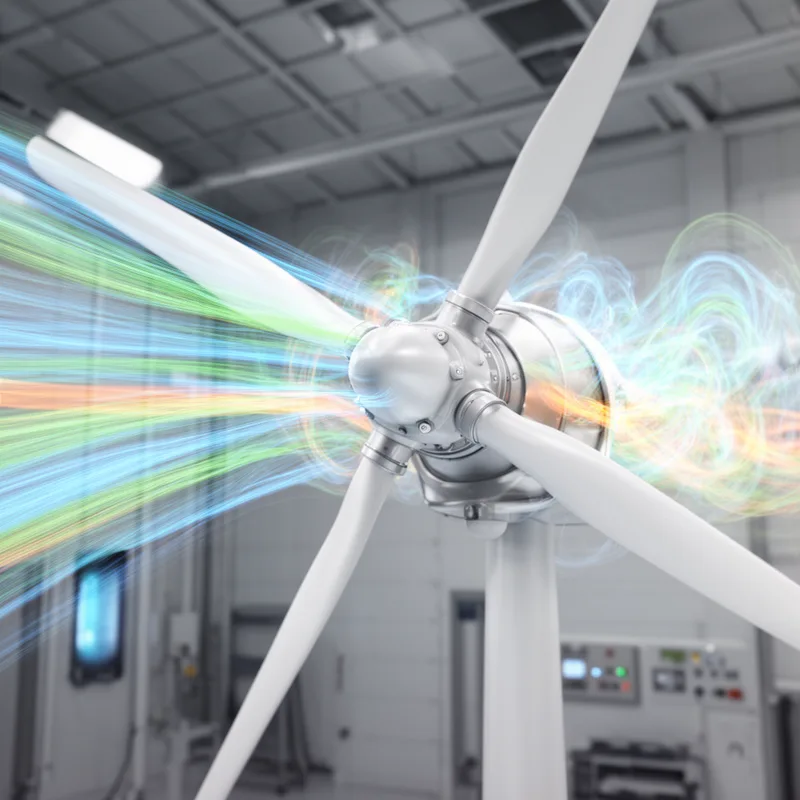
aeromechanical


 1
9.1
- adjective
- /ˌɛəroʊmɪˈkænɪkəl/
- Specialized
- He has more than 28 years of aerospace industry experience in the aeromechanical design and development of propulsion systems, including inlets, exhaust systems, forced mixers, CFD, and engine/nacelle system integration.
Examples
-
The engineer focused on the aeromechanical properties of the new turbine design to improve its efficiency.
-
The team conducted tests to evaluate the aeromechanical behavior of the materials used in the model airplane.
-
I can be flawed; I'm no aeromechanical dynamical mechanical engineer.
Blog text (1) -
"That kind of proposition reflects an alarming detachment from the reality of the profession," said the retired vice president of engineering at Allied Signal Aeromechanical Systems.
Academic text (2004) -
Understanding aeromechanical principles is essential for constructing efficient aircraft.
Synonyms
 16
5.8
Shaped to move easily through air
 1
8.7
About how air moves and affects machines like aircraft
Surface Forms
Morphology
aeromechanical = mechanical (transparent) = aero + mechanical
Formed by the productive combining form 'aero-' (relating to air) prefixed to 'mechanical', producing a clear meaning 'relating to the mechanics of air'.
Etymology
Aeromechanical joins the parts aero- meaning 'air' and mechanical from 'machine' or 'mechanic'. So, aeromechanical describes how 'air' affects machines or structures, like airplane wings or wind turbine blades.