
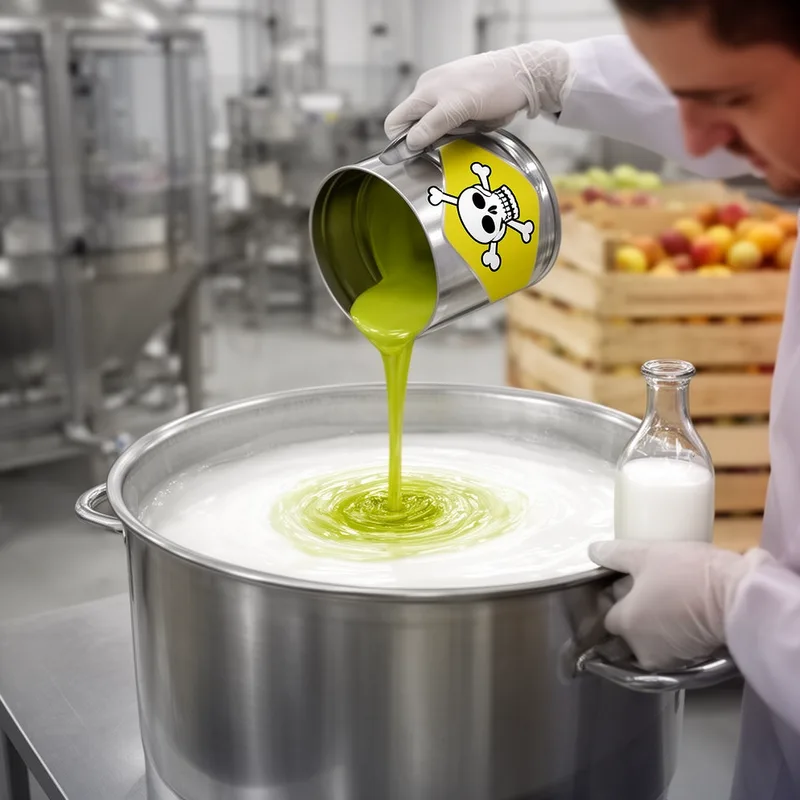
adulterating
- adjective
- /əˈdʌltəˌreɪtɪŋ/
- Specialized
- There was concern about the adulterating influence of synthetic additives in natural foods.
Examples
-
The adulterating chemicals reduced the quality of the food product.
-
Strict regulations prevent adulterating practices in the pharmaceutical industry.
-
Strict regulations prevent adulterating practices in the food industry to ensure safety.
-
The adulterating substances made the once pure product less appealing to consumers.
-
Many consumers are wary of adulterating additives that can compromise the quality of their food.
Synonyms

 248
4.9
248
4.9

To make things like water or soil unsafe by adding harmful substances
 5
8.2
5
8.2
To make food or drink impure by adding cheaper ingredients

Causing something to become dirty or harmful by adding unwanted materials
Antonyms

How Impure

Surface Forms
Morphology
adulterating = adulterate (transparent) = adulterate + ing
The adjective is the standard present-participle form of the verb 'adulterate' and directly conveys 'making impure' in a straightforward way.
Etymology
Adulterating comes from a Latin idea built on alter, which means 'other', so the old image is of adding 'other' things to something pure. So adulterating is adding foreign or lower-quality parts to a product, making it impure or worth less.