
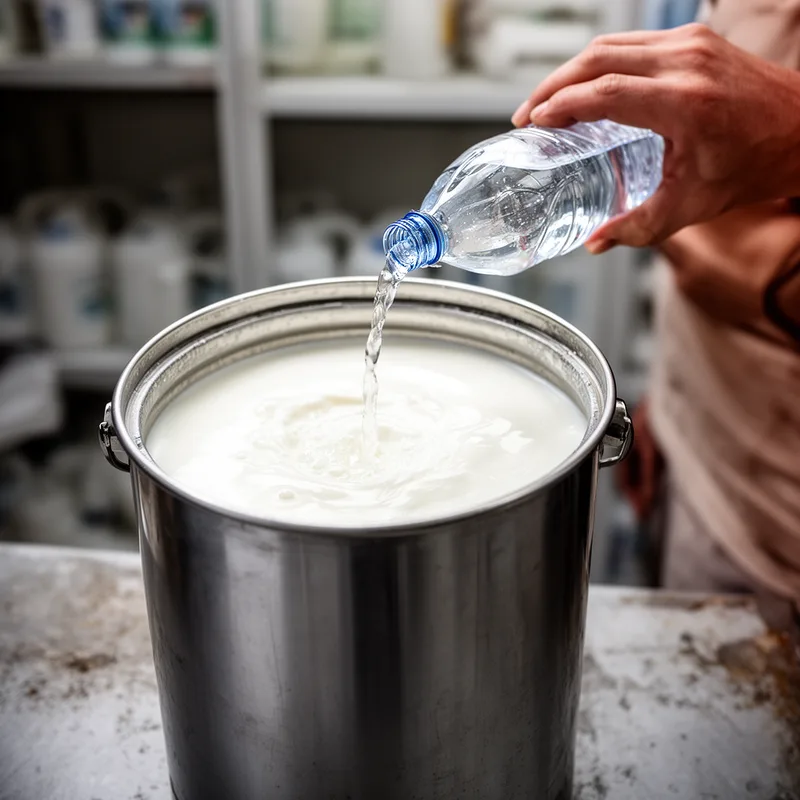
adulterated
- adjective
- /əˈdʌltəˌreɪtɪd/
- Specialized
- The food was adulterated with cheap fillers to increase profits.
Examples
-
She refused to buy the drink because it was adulterated with unhealthy additives.
-
He adulterated it with various impurities in order to stretch out the supply of precious metal.
-
The artist's work was criticized for being adulterated by commercial influences.
Synonyms

 2
4.2
2
4.2

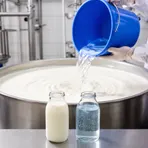
Containing other unwanted substances so it is not clean
 1
8.2
1
8.2
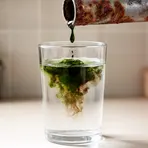
Not pure because cheaper ingredients were added
Something that becomes unsafe because it touches something dirty or harmful
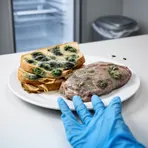
Spoiled and unsafe because it has rot or something harmful

Made worse in quality, value, or moral standards
Antonyms

How Pure

Surface Forms
Morphology
adulterated = adulterate (transparent) = adulterate + ed
The adjective is a standard past-participle/adjectival form derived from the verb 'adulterate' by adding -ed; the meaning is directly predictable from the verb.
Etymology
Adulterated comes from Latin parts ad- ('to') and alter ('other'), so it originally meant 'made other' by adding different things. That's why when food is adulterated it has been mixed with cheaper or wrong ingredients and is no longer pure.