
adaptation
 4
4.2
4
4.2

- noun
- /ˌædæpˈteɪʃən/
- Specialized
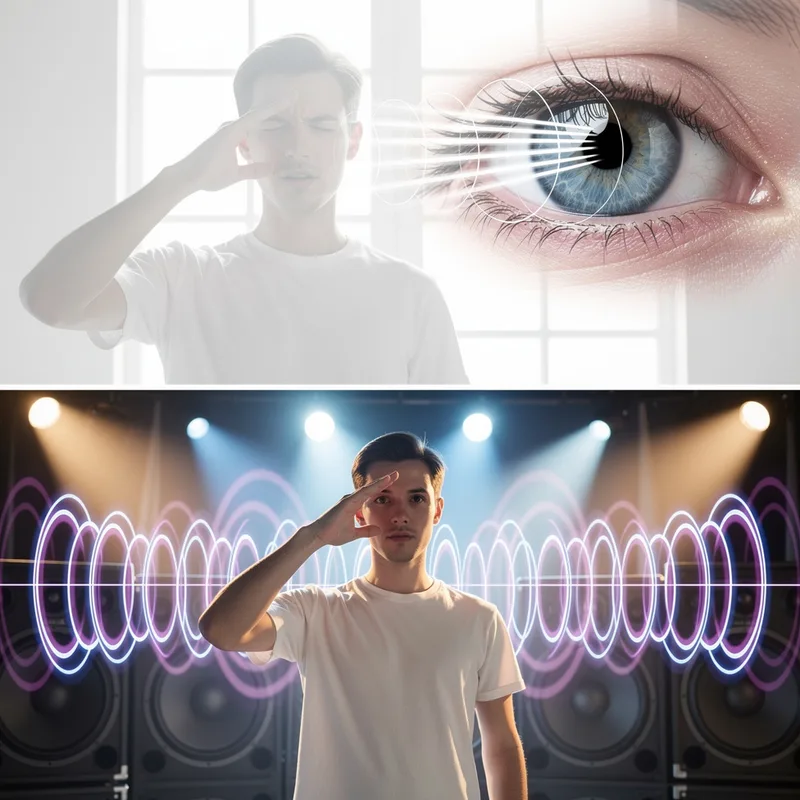
- James was light sensitive on bright days, had poor adaptation from light to dark, and had poor night vision.
- physiological adaptation
- skin adaptation
- sensory adaptation
Examples
-
Mechanisms of adaptation have allowed individuals' pain thresholds to increase or decrease.
Academic text (2017) -
Most of these short reviews have focused on specific mechanisms of exercise adaptation.
Academic text (2005) -
So with that said, even though we're in the state, the body is making an adaptation to that abnormal glucose to keep you alive.
-
Both breakdown and adaptation of skin to mechanical stress are addressed below.
Academic text (1995) -
Teresa tried using biofeedback to speed her adaptation to the dark and found it disconcerting how little training helped.
Fiction book (1990) -
The reflective, silver-white color of these spiders may be an adaptation to the dry, open, sunny habitats they prefer.
Academic text (1993) -
Thus, the literature suggests increases in hyaluronic acid and chondroitin sulfate are indicative of skin adaptation to pressure.
Academic text (1995) -
The human eye undergoes adaptation when moving from bright sunlight into a dark room, allowing for better visibility.
-
Night vision requires a period of adaptation for the eyes to adjust to the lowered light levels after the lights have been turned off.
-
The gradual adaptation of the eye to darkness is necessary for seeing in dimly lit environments.
Synonyms
 106
3.3
106
3.3
Getting used to a new situation or condition

 1
7.2
1
7.2
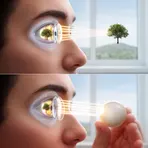
The eye's automatic change of focus to see near or far objects

A process of changing to fit new conditions
Compounds


- Specialized
The eyes become more sensitive after bright light so you can see in low light

- Specialized
Eyes adjust to bright light by making pupils smaller and using cells that detect color
How Adjusted

Surface Forms
Morphology
Etymology
Adaptation in the sense of the body comes from ad- 'to' and aptare 'make fit', like when your eyes 'fit' to the dark or your ears 'fit' to loud sound. So physiological adaptation is how a sense organ changes to work well in new light or noise.