

acoustic delay line
- noun
- /əˈkuːstɪk dɪˈleɪ laɪn/
- Archaic
- Early televisions sometimes incorporated an acoustic delay line for processing sound.
Examples
-
The engineer used an acoustic delay line to synchronize the signals in the circuit.
-
The acoustic delay line converts electrical signals to sound waves, allowing for controlled delays in processing.
-
Researchers tested the performance of a new material for use in acoustic delay line components.
-
The engineer installed an acoustic delay line for better audio quality.
-
Can you explain how an acoustic delay line works?
-
In modern audio systems, an acoustic delay line helps to improve sound synchronization.
-
Engineers used an acoustic delay line to ensure that the audio and visual signals were perfectly aligned.
Synonyms

A device that delays a signal using the time sound takes to travel
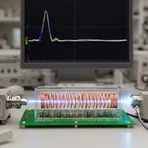
An electronic circuit that makes a signal arrive later by a certain amount of time
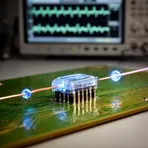
A device that delays an electrical signal by a set amount of time
Surface Forms
Morphology
The components 'acoustic' (relating to sound), 'delay' (a time lag) and 'line' (a channel or device) together make it reasonably inferable as a sound-based channel that produces a delay, so a B1 learner who knows the parts could grasp the general function. However, the precise technical mechanism (conversion between electrical signals and sound waves) and specialised use are domain-specific and not fully predictable from the words alone, so the term is only partially transparent.
Etymology
Acoustic delay line comes from its parts: acoustic means 'sound' and a delay line is a 'line' that makes a signal take longer. In this device an electric signal is changed into sound that travels through a tube or block and so the signal is held back for a short time, which is why the name means 'delay using sound'.

