

achromaticity
- noun
- /ˌeɪkrəʊˈmætɪsɪti/
- Specialized
- He preferred the achromaticity of black-and-white photographs to the vibrancy of color images.
Examples
-
The achromaticity of the design gave it a minimalist and elegant appearance.
-
The achromaticity of the painting makes it unique.
-
Scientists measured the achromaticity of the lens to assess its optical performance.
-
Her design emphasized achromaticity to create a minimalist look.
-
The richness of a color, or the degree to which a color varies from achromaticity (white and black are the two achromatic colors, each totally lacking in hue).
-
In painting, achromaticity is often used to create a sense of depth without introducing any hues.
-
Understanding achromaticity helps artists learn how to use shades of gray effectively.
Synonyms
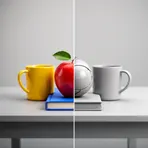
A lack of color in vision or objects

When something has no color, it looks pale or clear
Antonyms
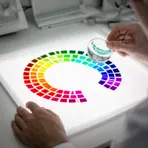


How Colorless

Surface Forms
Morphology
achromaticity = achromatic (semi-transparent) = a + chrom + icity
The suffix '-ity' is a standard noun-forming suffix indicating a state or quality.
Etymology
Achromaticity breaks into a- ('not') and chroma ('color'), the same 'chroma' you see in monochrome. So achromaticity means the quality of having 'no color', which is why we use it for black-and-white photos or colorless materials.