
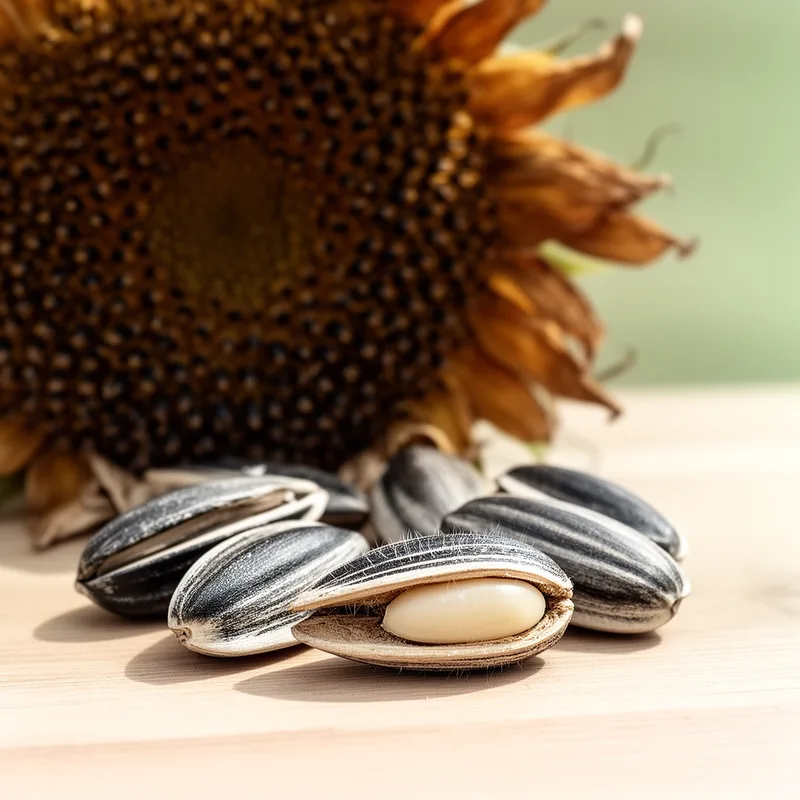
achenial
- adjective
- /əˈkiːniəl/
- Specialized
- The sunflower's achenial fruit allows it to disperse seeds efficiently.
Examples
-
Botanists often examine achenial fruits to learn about seed dispersal methods in various plant species.
-
The achenial surface is often covered with tiny hairs that aid in dispersal.
-
Scientists study achenial structures to understand plant reproduction in the daisy family.
-
The achenial structure of the seed is fascinating.
-
Many plants produce achenial fruits, which are unique.
-
The achenial form of the seed contributes to its ability to thrive in different environments.
-
Identifying achenial characteristics helps researchers classify different types of flowering plants.
Surface Forms
Morphology
Etymology
Achenial comes from achene, a word for a 'small dry fruit' with one seed, plus the ending -al meaning 'relating to'. So achenial simply means 'relating to achenes'—think of a sunflower 'seed' that is actually an achene: achenial describes those dry fruits that 'do not split open' when they are ripe.

