
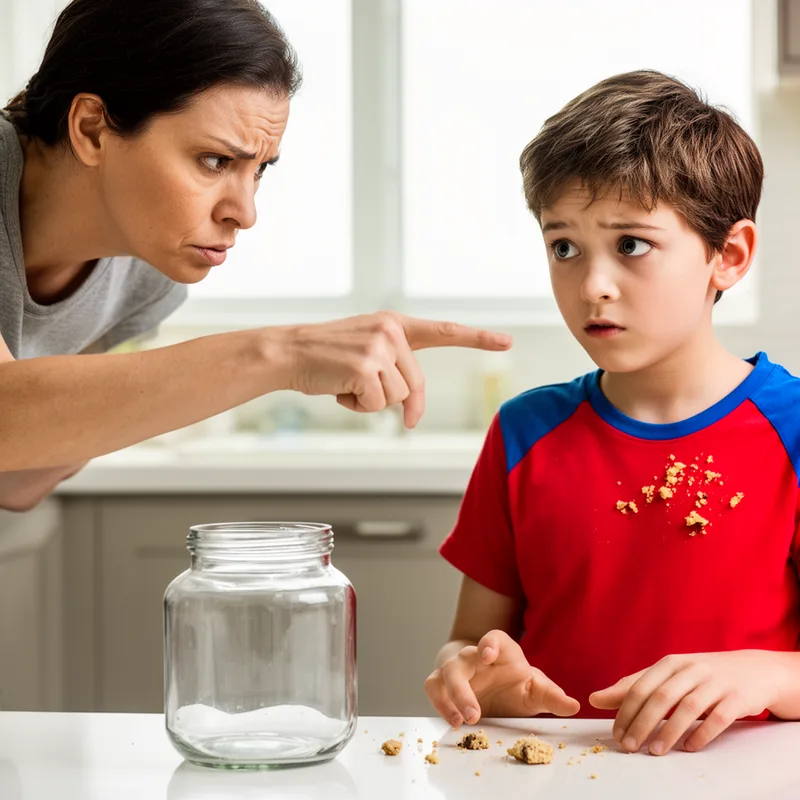
accusing
- adjective
- /əˈkjuːzɪŋ/
- In her speech, she made accusing remarks about the neglected laws that harmed the community.
Examples
-
He couldn't help but feel accusing stares when he arrived late to the meeting after everyone had begun.
-
The detective's questioning felt accusing as he looked for clues about the suspect's involvement.
-
It's one thing to to be, let's say, accusing you of something that you're not even sure about.
-
Telling them what to eat, how much to eat, and constantly, constantly accusing someone of cheating or flirting.
-
Telling them what to eat, how much to eat, and constantly, constantly accusing someone of cheating or flirting.
-
How do you false accusing playing the victim when you're actually not?
Synonyms

 10
6.3
10
6.3

Showing blame or suggesting someone did something wrong


 1
8.6
1
8.6
Showing blame toward someone

Showing blame or saying someone did something wrong

Likely to show someone is guilty
How Accusatory

Surface Forms
Morphology
Etymology
The word accusing comes from the old Latin verb accusare, which meant 'to call to account' or 'to blame'. So an accusing look or tone is like 'calling someone out' and shows you think they are to blame.