
accipitrine


 1
9.9
- adjective
- /ˌækɪˈpɪtraɪn/
- Specialized
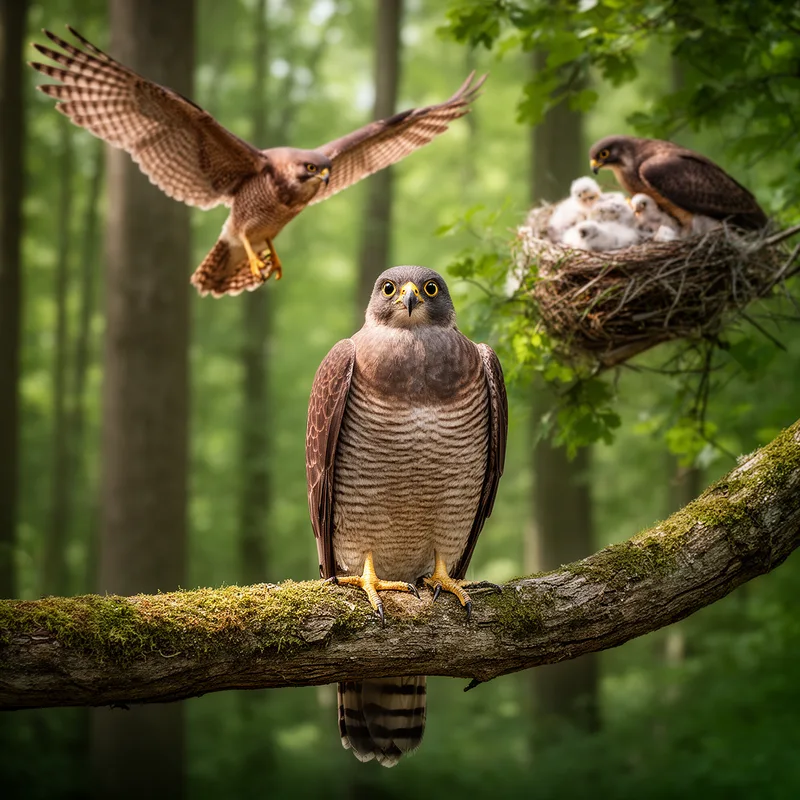
- The sharp eyesight and curved beak are typical accipitrine features.
Examples
-
Researchers observed the nesting behavior of several accipitrine species in the wild.
-
Many birdwatchers admire the accipitrine characteristics of the sparrow hawk.
-
Many accipitrine birds are renowned for their speed and predatory skills.
-
The accipitrine features of the hawk were evident in its sharp beak.
-
The sharp talons and keen vision are distinctively accipitrine traits that aid in hunting.
-
Birds classified as accipitrine are often found in habitats rich in small mammals and birds.
-
The accipitrine nature of the hawk made it a formidable predator in the forest.
Surface Forms
Morphology
accipitrine = Accipiter (opaque) = accipitr + ine
The suffix '-ine' is productive, but the stem comes from the Latin genus name Accipiter (a taxonomic term not familiar to average learners), so the relation is not readily inferable by typical B1 users.
Etymology
Accipitrine comes from the Latin accipiter, which means 'hawk', and is linked to the verb accipere, 'to take', the same root behind English accept. So accipitrine describes birds that 'take' or grab their prey, like hawks.