
aboriginality
- noun
- /ˌæbəˈrɪdʒɪˈnæləti/
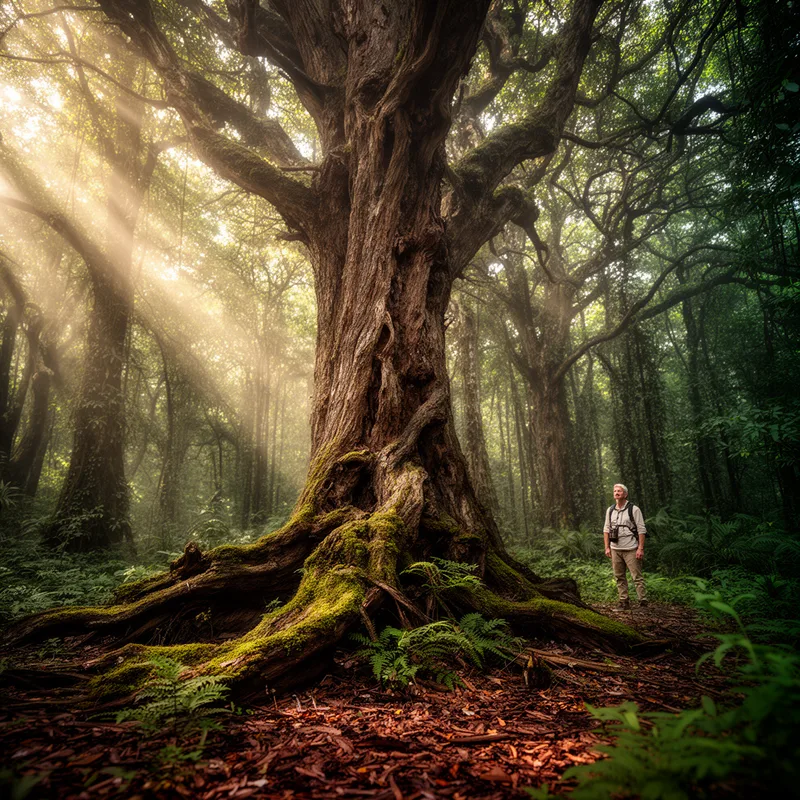
- The aboriginality of the forest was evident in its untouched landscapes and ancient trees.
Examples
-
Researchers studied the aboriginality of the artifact to determine its historical significance.
-
Some conservationists argue for preserving the aboriginality of natural habitats against human development.
-
The aboriginality of the artwork reflects its cultural significance.
-
Many scholars study the aboriginality of ancient civilizations.
-
The aboriginality of the languages spoken in this region highlights their historical roots.
-
Preserving the aboriginality of the ecosystem is crucial for maintaining biodiversity.
-
The aboriginality of the rituals practiced by the tribe offers insight into their ancient traditions.
Synonyms


 1
9.7
1
9.7
A state of being native to a place and keeping the culture and rights of the local people

The state of being native to a particular place
The quality of being born in a place and belonging to it
Antonyms

Surface Forms
Morphology
aboriginality = aboriginal (semi-transparent) = aborigine + ity
Morphologically regular (from 'aboriginal' + '-ity'), but the sense 'original/primitive' is less common and somewhat archaic or specialized, so learners may not reliably infer this nuance.
Etymology
Aboriginality comes from the parts ab- 'from' and origin 'beginning', just like the word original. This shows why the word also means being primitive or existing since the earliest times, so we use it for ancient landscapes, old artifacts, or natural places that have not changed.