

abhorrently


 1
8.6
1
8.6
- adverb
- /əˈbɔːrəntli/
 :
abhorrentemente
:
abhorrentemente
- For the record, I find AppleScript an abhorrently horrible language.
Examples
-
The fact that your son continued on with life "as usual" this morning also tells me this isn't the first and only time you've behaved abhorrently with him.
Blog text (5) -
The treatment of the animals in that facility is abhorrently inhumane and should be addressed immediately.
-
There is no other word for it than abhorrently wrong.
-
Even in a parallel universe, that's just an abhorrently terrible decision.
Blog text (15) -
His actions during the argument were truly abhorrently disrespectful, causing many to feel disgusted.
-
She spoke abhorrently about the injustice, making her strong feelings clear to everyone present.
Synonyms
 13
4.8
13
4.8
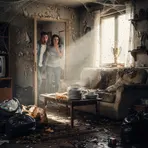
In a way that makes you feel sick or upset
 6
6.8
6
6.8
Makes people feel shocked or disgusted
 4
6.0
4
6.0
In a way that shows strong dislike and disrespect
 3
8.2
3
8.2
In a very rude and cruel way
 1
6.6
1
6.6
In a way that shows strong dislike and anger
 1
7.0
1
7.0
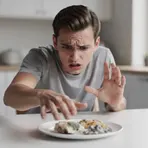
In a way that makes people strongly dislike someone for bad or cruel actions
 1
6.3
1
6.3
In a way that shows strong dislike and makes you feel upset
 1
7.4
1
7.4
In a very bad or shocking way
 1
7.0
1
7.0
In a very bad and unpleasant way
 1
7.9
1
7.9
In a very bad, shameful way that deserves strong criticism
 1
7.2
1
7.2
In a way that causes strong disgust or dislike
 1
7.7
1
7.7
In a way that causes strong disgust
 1
8.2
1
8.2
In a very cruel and unfair way
 1
9.7
1
9.7
In a way that makes people strongly dislike someone
 1
6.7
1
6.7
In a way that shows dislike or makes people feel disgusted

In a way that makes people feel very disgusted or angry

In a way that makes people feel strong dislike or disgust

In a way that makes people feel strong dislike and disgust

In a way that is very bad or annoying
How Offensive

Surface Forms
Morphology
Etymology
Abhorrently comes from the parts ab- ('away') and horrēre ('to shudder'), the same root as horror. So something done abhorrently is done in a way that makes people 'shudder' and want to move 'away' because it causes strong dislike or disgust.