
Zygnemataceae
- noun
- /ˌzɪɡnəˈmeɪtəˌsi/
- Specialized
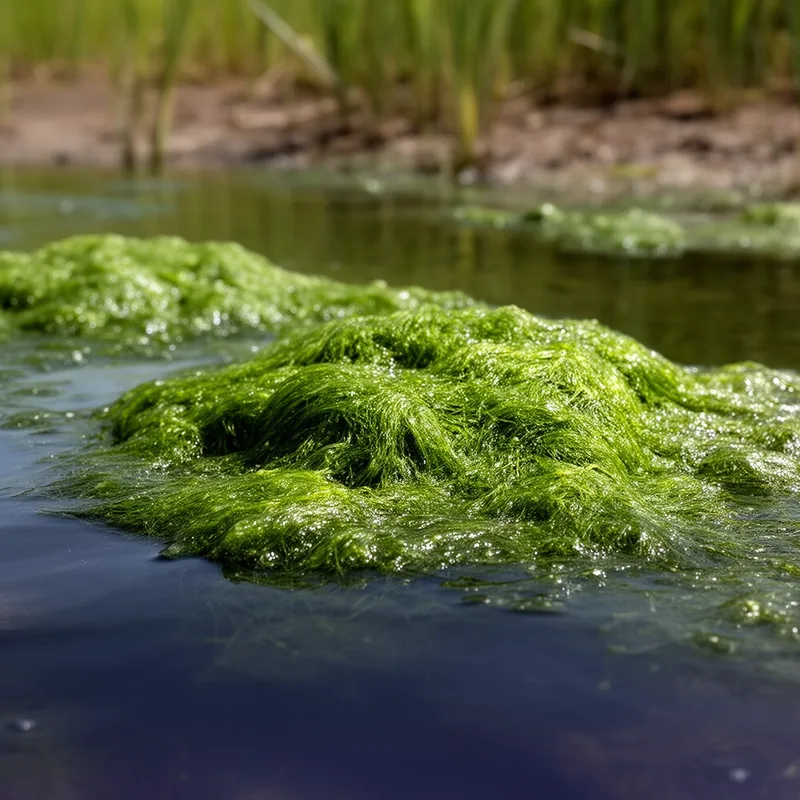
- The green slime covering the pond was mostly made up of Zygnemataceae.
Examples
-
Blooms of Zygnemataceae can indicate high nutrient levels in freshwater ecosystems.
-
Scientists studied the structure of Zygnemataceae under the microscope to understand their reproductive process.
-
The Zygnemataceae family thrives in freshwater environments.
-
Have you ever seen Zygnemataceae in a pond?
-
The green slime covering the pond was mostly made up of Zygnemataceae.
-
Blooms of Zygnemataceae can indicate high nutrient levels in freshwater ecosystems.
-
Scientists studied the structure of Zygnemataceae under the microscope to understand their reproductive process.
Surface Forms
Morphology
Zygnemataceae = Zygnema (opaque) = Zygnema + aceae
Formed from the genus name Zygnema plus the botanical family suffix -aceae; this taxonomic formation is not predictable to average learners without specialist knowledge.
Etymology
Zygnemataceae comes from the group name Zygnema plus the family ending -aceae, and Zygnema uses the Greek parts zygo- 'yoke' and -nema 'thread' because these algae make long threads that often pair and join like tiny yokes. So, Zygnemataceae is the family of those 'yoked threads', the slimy, thread-like green algae you find in ponds.

