
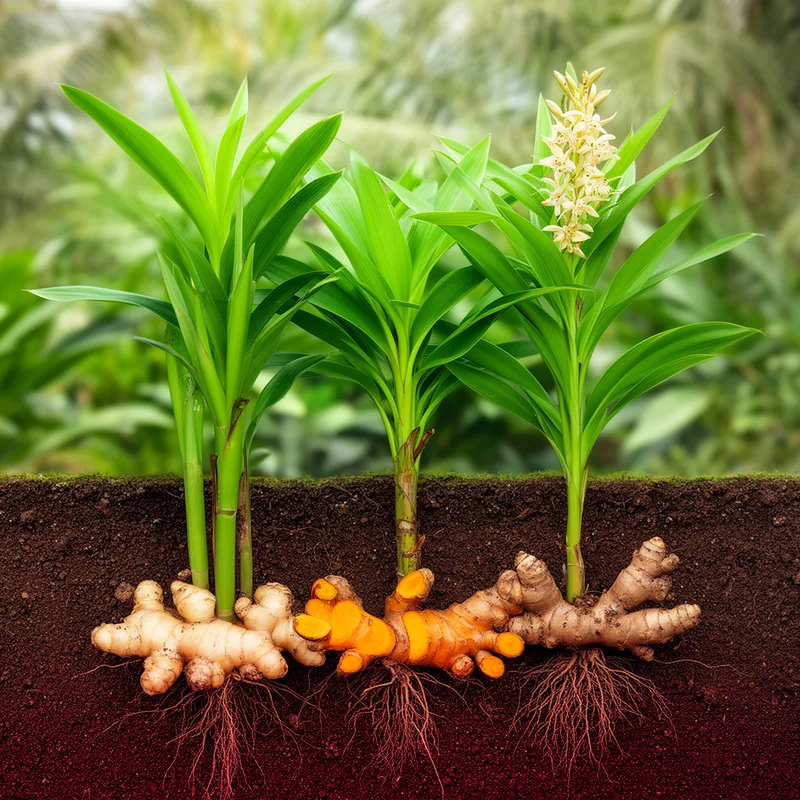
Zingiberaceae
- noun
- /ˌzɪŋɪbəˈreɪʃiˌi/
- Specialized
- Many species within the Zingiberaceae family are cultivated for their culinary and medicinal uses.
Examples
-
The exotic flowers of the Zingiberaceae are popular in tropical gardens.
-
Turmeric and cardamom both belong to the Zingiberaceae plant family.
-
The Zingiberaceae family includes many aromatic plants.
-
Have you ever tried cooking with Zingiberaceae plants?
-
The Zingiberaceae family includes various plants such as ginger and turmeric, known for their aromatic rhizomes.
-
Many culinary dishes use spices from the Zingiberaceae family, particularly ginger and turmeric, to enhance flavor.
-
In botanical studies, members of the Zingiberaceae family are notable for their vibrant flowers and medicinal properties.
Synonyms

A group of tropical plants like ginger and turmeric with strong smelling roots used for spices

A group of plants like ginger and turmeric that grow in warm places
Compounds
- Specialized
A group of plants like ginger and turmeric that grow in warm places
Surface Forms
Morphology
Zingiberaceae = ginger (semi-transparent) = zingiber + aceae
Formed from the Latinized genus name 'Zingiber' (ginger) plus the specialized botanical family suffix '-aceae'; the link to 'ginger' is clear to those familiar with scientific names but requires specialized taxonomic knowledge.
Etymology
Zingiberaceae comes from the plant name Zingiber, which itself comes from an old Indian word for 'ginger'. The ending -aceae marks a plant 'family', so Zingiberaceae simply means the plant family of ginger and its relatives like turmeric and cardamom.

