
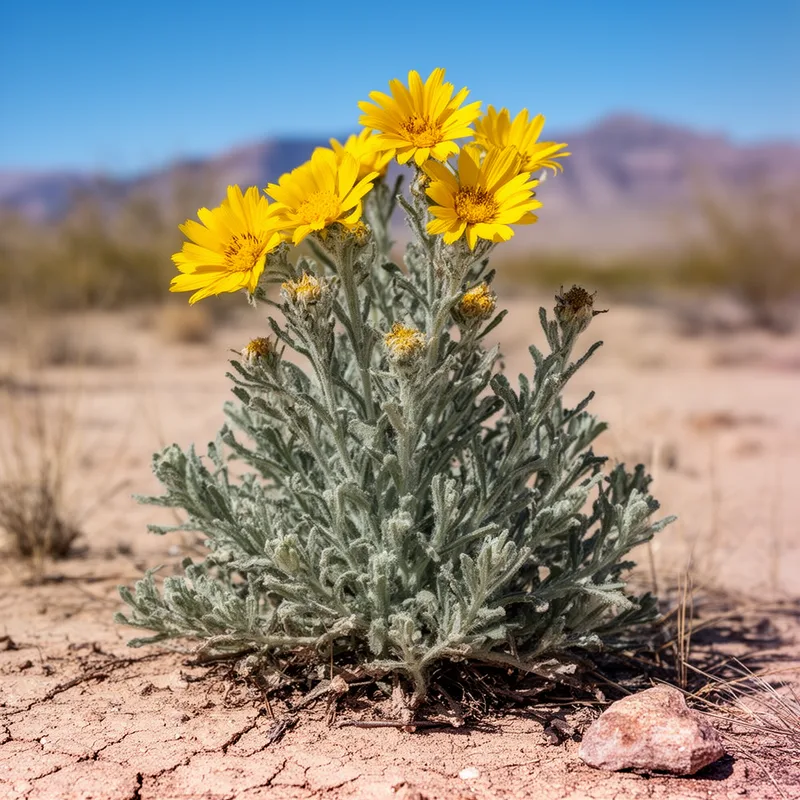
Ximenesia encelioides
- noun
- Specialized
- The dry regions of Arizona are home to Ximenesia encelioides, which brightens the landscape with its yellow blooms.
Examples
-
Gardeners sometimes plant Ximenesia encelioides as a drought-tolerant ornamental.
-
Researchers studied the ecological impact of Ximenesia encelioides on native plant communities.
-
Look at that Ximenesia encelioides!
-
The Ximenesia encelioides blooms beautifully.
-
In the dry climate of the desert, Ximenesia encelioides thrives and provides a burst of yellow color.
-
Many gardeners appreciate Ximenesia encelioides for its drought resistance and vibrant flowers.
-
You can often find Ximenesia encelioides growing along the roadsides in the southern United States.
Synonyms

A rough grey-green plant with bright yellow flowers that grows in dry places
A rough grey-green plant with bright yellow flowers that lives for one year
A rough grey-green plant with yellow flowers that lives for one year in the US southwest and Mexico
An annual plant with yellow flowers that grows in dry parts of the southwestern United States and Mexico

An annual plant with grey-green leaves and bright yellow flowers that grows in dry sunny places
Surface Forms
Morphology
Ximenesia + encelioides
Both constituents are parts of a Latin binomial rather than ordinary English words, so their forms carry no transparent, compositional meaning for an average B1 learner; knowing English vocabulary would not let the learner infer that this is a coarse greyish-green annual herb with yellow flowers. Scientific names are arbitrary labels that require specialist or Latin knowledge, not predictable from constituent meanings, making the expression unintelligible without prior exposure.
Etymology
Ximenesia encelioides may come from a person's name plus the species part encelioides, where the ending '-oides' means 'like'. This gives a clear picture: the herb looks 'like' the yellow-flowered plant Encelia, so the name tells you it is a plant similar to that group.

