

Whig
- noun
- /wɪg/
- UK
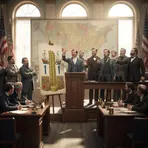
- In Britain the Whigs were the the the party that wanted more power for the parliament and less for the monarchy.
Examples
-
People like William Wilberforce build a coalition in the British Parliament of so-called dissenting Whigs, the dissenters.
-
Charles couldn't face another Parliament, but he decided to call the Whigs bluff and to brazen it out.
-
Whigs and leftists aren't really the same people after the same ends.
Blog text (24) -
Once wounded in a duel, his authoritarian style caused his opponents, the Whigs, to brand him a dictator.
-
Whigs appeal to the less educated voter in their contests with Jacksonian Democrats, and all presidential candidates since Woodrow Wilson "run" for president rather than "stand."
Academic text (1998) -
In the 18th century, the Whigs campaigned for reforms that would limit the power of the monarchy.
-
The Whigs played a significant role in advocating for social reforms in Britain during the late 17th century.
-
During debates in Parliament, the Whigs consistently challenged the authority of the Tories.
Compounds
 1
7.9
1
7.9

A former American political party from 1834 to 1854 that opposed the Democrats and supported high taxes on imported goods
Surface Forms
Etymology
Whig comes from the Scottish name whiggamore for a cattle driver who cried whiggam to move animals; the name became a nickname for political rebels and then the British party that wanted reform. That's why a British Whig was someone who supported change and limits on royal power.