

Vitis vinifera
- noun
- Specialized
- The vineyard specializes in growing Vitis vinifera grapes, which are highly sought after for winemaking.
- Vitis vinifera grapes
- European Vitis vinifera
Examples
-
The Vitis vinifera plant is essential for wine production.
-
Botanists study Vitis vinifera for its diverse varieties and rich genetic heritage.
-
Europeans have cultivated Vitis vinifera for thousands of years, both for eating and wine-making.
-
Many of the world's finest wines are produced from Vitis vinifera grapes.
-
Many vineyards grow Vitis vinifera for its sweet grapes.
-
Many chefs prefer dishes made with fresh Vitis vinifera grapes, enjoying their sweet flavor as a compliment to meals.
-
In the wine tasting event, the Vitis vinifera varieties showcased a wide range of flavors and aromas.
Synonyms

 1
9.0
1
9.0

A European grape type grown worldwide for making wine and for eating as table grapes
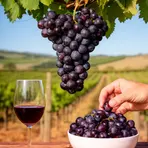
A common European grape used to make wine and to eat

A vine from Europe that produces grapes used for eating and making wine
Surface Forms
Morphology
The Latin binomial is fully compositional: 'Vitis' (a genus of vines) combined with 'vinifera' (wine-bearing/common grape species) directly denotes the grapevine used for wine and table grapes. Although botanical Latin is specialized, the overall meaning is derivable from the constituent meanings and would be understandable to a learner who knows both parts.
Etymology
Vitis vinifera comes from Latin words: vitis meaning 'vine' and vinifera meaning 'wine-bearing'. So the name means the vine that makes 'wine' and refers to the common grapevine grown for eating and for making wine.