

Viola striata
- noun
- /vaɪˈoʊlə ˈstraɪətə/
- Specialized
- The woods were dotted with Viola striata, their pale flowers brightening the undergrowth.
Examples
-
In early spring, Viola striata blooms add elegance to shaded gardens.
-
Botanists collected samples of Viola striata for their study on native flora.
-
The Viola striata blooms beautifully in spring.
-
Have you seen a Viola striata in the wild?
-
In early spring, Viola striata blooms add elegance to shaded gardens.
-
The woods were dotted with Viola striata, their pale flowers brightening the undergrowth.
-
Botanists collected samples of Viola striata for their study on native flora.
Synonyms

A leafy plant with white or cream flowers faintly marked with purple
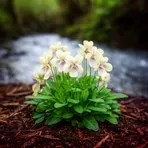
A small leafy plant with cream or white flowers faintly marked with purple
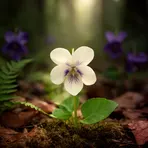
A small woodland flower with creamy white petals faintly marked with purple
Surface Forms
Morphology
Viola + striata
This is a scientific binomial combining the genus name Viola (a violet) with the specific epithet striata; a learner who knows both parts could infer it denotes a kind of violet, likely with striations/striped markings. However, the epithet is Latin and botanical naming conventions are not standard everyday composition, so the precise botanical sense and appearance are not fully predictable to an average B1 learner.
Etymology
Viola striata comes from two Latin words: Viola, meaning 'violet', and striata, meaning 'striped'. The plant's pale flowers have faint purple lines, so the name gives a simple picture and explains why this species is called that.

