
Valentinian


 1
9.9
- adjective
- /ˌvælənˈtɪniən/
- Formal
- Her research focused on Valentinian interpretations of early Christian doctrine.
Examples
-
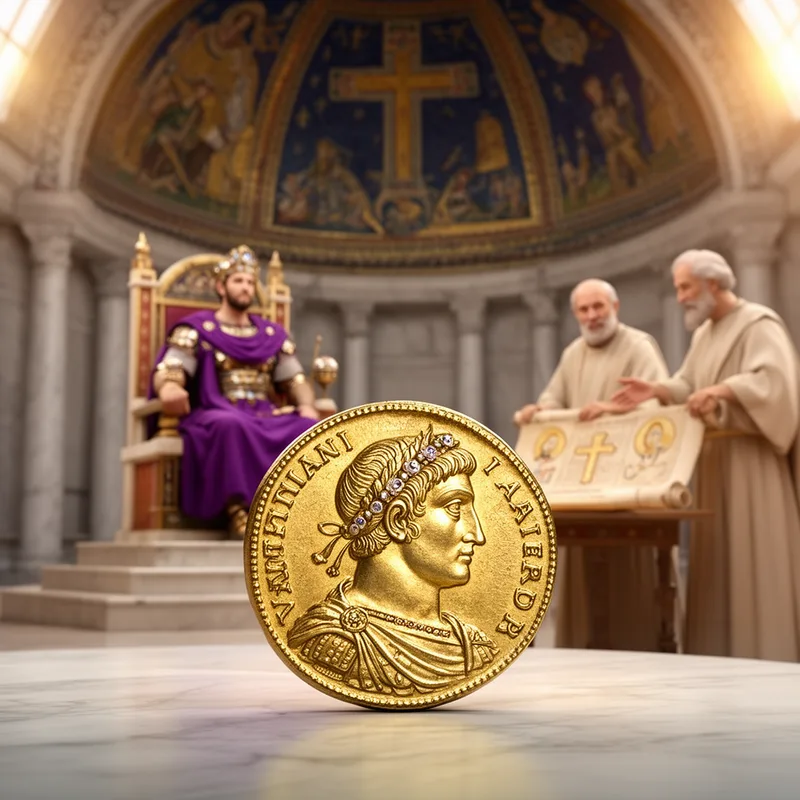
The museum displayed coins from the Valentinian period of the Roman Empire.
-
The Valentinian theology emphasizes the importance of knowledge.
-
The Valentinian emperors played a significant role in late Roman history.
-
Many scholars study Valentinian beliefs in early Christianity.
-
His lecture on Valentinian theology provided a fascinating insight into early Christian thought.
-
The Valentinian doctrines emphasized the importance of knowledge for salvation in Gnostic traditions.
-
Many early Church leaders opposed Valentinian teachings, claiming they distorted the core messages of Christianity.
Surface Forms
Morphology
Valentinian = Valentine (semi-transparent) = Valentin + ian
Form is clearly 'Valentine' + '-ian', so relation to the name is obvious, but the historical/theological sense is specialized and may not be predictable by all learners.
Etymology
Valentinian comes from the Latin name Valentinus, which comes from valens meaning 'strong' or 'healthy'. So, Valentinian now means 'relating to' the Roman emperor or to the theological ideas linked to that name.