
Ustilaginaceae
- noun
- /ˌjuːstɪˌlɑːdʒɪˈneɪʃiː/
- Specialized
- Researchers are studying Ustilaginaceae to find methods of controlling smut diseases in agriculture.
Examples
-
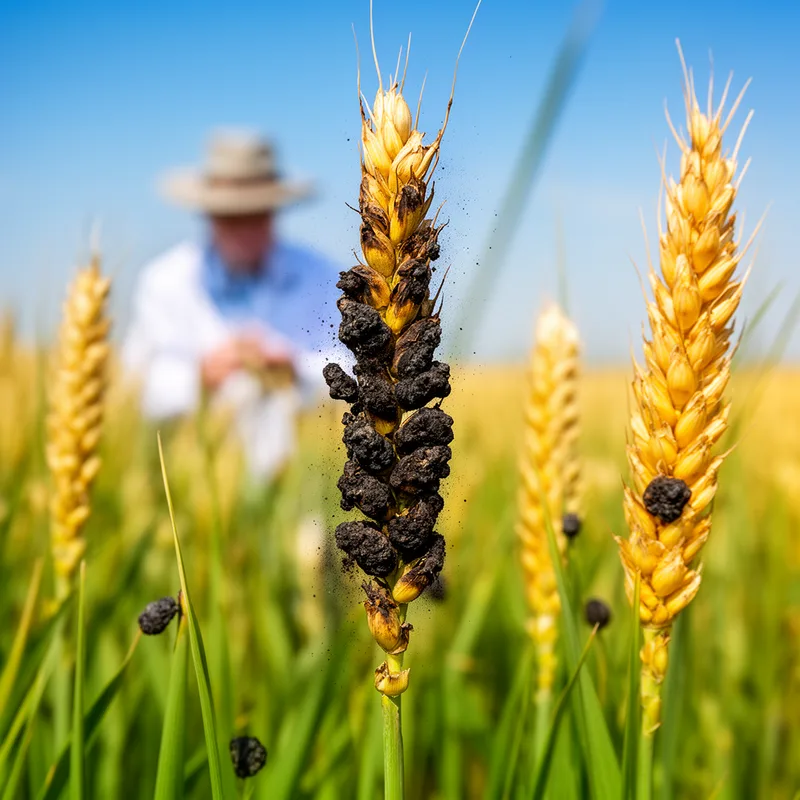
The black, powdery spores produced by Ustilaginaceae can be seen on infected plants.
-
Certain species within the Ustilaginaceae family are responsible for damaging grain crops.
-
The Ustilaginaceae family includes several important plant pathogens.
-
Farmers often struggle with Ustilaginaceae infections in their crops.
-
Certain species within the Ustilaginaceae family are responsible for damaging grain crops.
-
The black, powdery spores produced by Ustilaginaceae can be seen on infected plants.
-
Researchers are studying Ustilaginaceae to find methods of controlling smut diseases in agriculture.
Surface Forms
Morphology
Etymology
Ustilaginaceae comes from the Latin root ustilag- meaning 'soot' or 'burnt', because these fungi produce black, powdery spores that look like soot. The ending -aceae means 'family', as in Rosaceae ('rose' family), so Ustilaginaceae is the smut or 'soot' family of fungi that affect grasses and cereal crops.

