
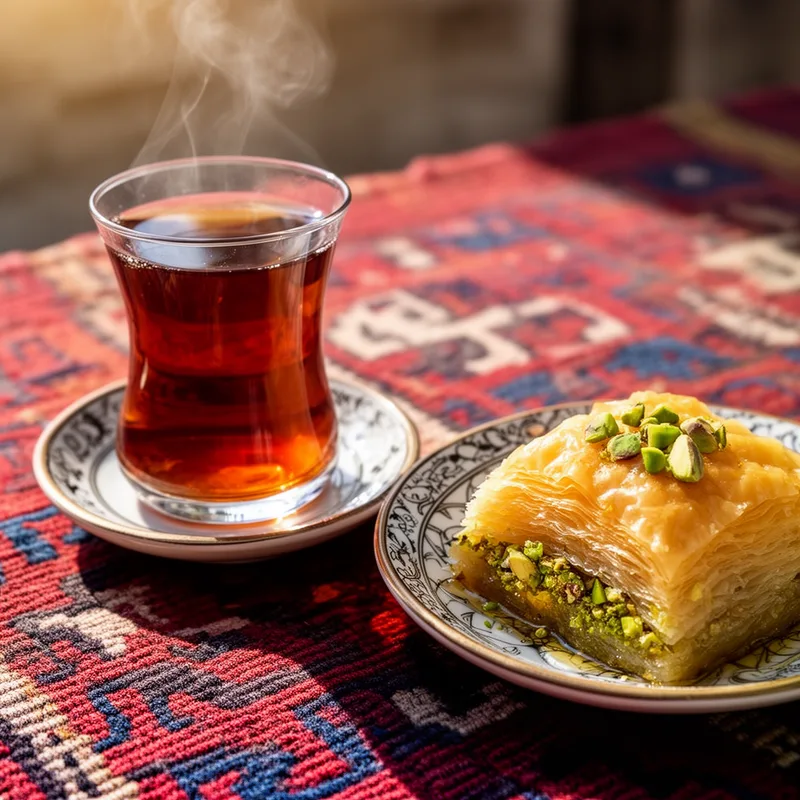
Turkish
 144
2.7
144
2.7

- adjective
- /ˈtɜrkɪʃ/
- The participants of the study included 277 5- to 6-year-old Turkish children and their parents.
- the Turkish government
- Turkish citizens
- Turkish society
Loading YouTube…
Watch on YouTubeYou all know I'm obsessed with this Turkish chef Susan Cezan.
- You all know I'm obsessed with this Turkish chef Susan Cezan.
- And of course, the country was still at war with the Turkish nationalists.
- And the Turkish gendarmerie brigade was here at that time.
- My father is played by a Turkish actor.
- All right, Next up we're having Turkish tacos, or more officially, Tantuni.
- And then we're using our own drones to help kill them with the Turkish military.
- So I really upset the Turkish mafia.
Examples
-
The tour ended with a tasting of Turkish honey and sweets.
-
Have you read that book about Turkish customs?
-
You know, the Turkish people are very proud of him right now.
-
And we're going to be going to get some Turkish pizza.
-
My father is played by a Turkish actor.
-
I went to a Turkish bath.
-
And now we're going to the Turkish Airline lounge.
-
Lewis Hamilton wins the Turkish Grand Prix.
-
I saw the preparations for breakfast that invariably consisted of Turkish coffee and cold roast beef.
Fiction book (1994) -
The tour ended with a tasting of Turkish honey and sweets.
Compounds

 2
3.7
2
3.7
A strong coffee made by boiling very finely ground beans, not filtered and often with sugar
 1
3.7
1
3.7
A soft sweet candy made from jelly, often flavored with rose or lemon and dusted with sugar


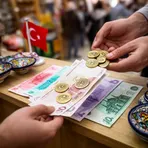

- Specialized
A very hard light yellow wood used for fine carving, inlays, and musical instruments


- NSFW
A violent Kurdish Sunni group in southeastern Turkey that tries to make a state under Islamic law

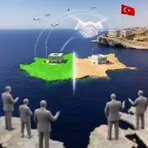
A state in northern Cyprus that declared independence and is recognized only by Turkey
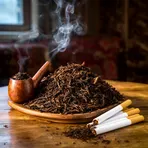
A dark, strong-smelling tobacco from eastern Europe used in cigarettes and pipes
Surface Forms
Morphology
Etymology
Turkish comes from the name Turk for the people of Turkey and the ending -ish meaning 'from' or 'related to', like in English. So Turkish describes something that comes from or belongs to Turkey, its people, or their language.