
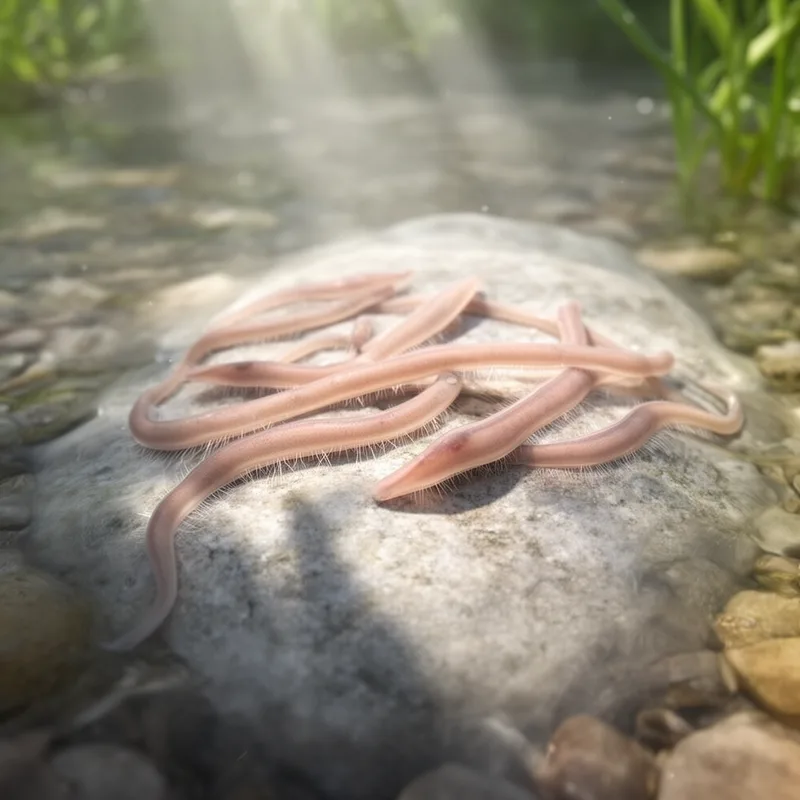
Turbellaria


 1
9.9
- noun
- /ˌtɜr.bəˈlɛr.i.ə/
- Specialized
- The biologist studied specimens of Turbellaria collected from a freshwater stream.
Examples
-
Unlike parasitic flatworms, Turbellaria are mostly free-living organisms.
-
The Turbellaria class includes many fascinating species.
-
Many Turbellaria possess cilia that help them glide smoothly through the water.
-
Did you know that Turbellaria can regenerate lost body parts?
-
The Turbellaria are often found in freshwater ponds and streams, where they swim freely among aquatic plants.
-
Many species of Turbellaria can be seen creeping along the surfaces of rocks in damp environments.
-
The study of Turbellaria provides insights into the diversity of free-living flatworms in various ecosystems.
Surface Forms
Etymology
Turbellaria comes from the Latin root turbo meaning 'whirl' or 'disturb' and the ending -aria meaning 'a group name'. Think of turbine or turbulent, which share the same root; the name suggests 'little whirlers' and fits these flatworms that glide and twist through water.