
Tunica-Biloxi
- noun
- /ˈtuːnɪkə bɪˈlɒksi/
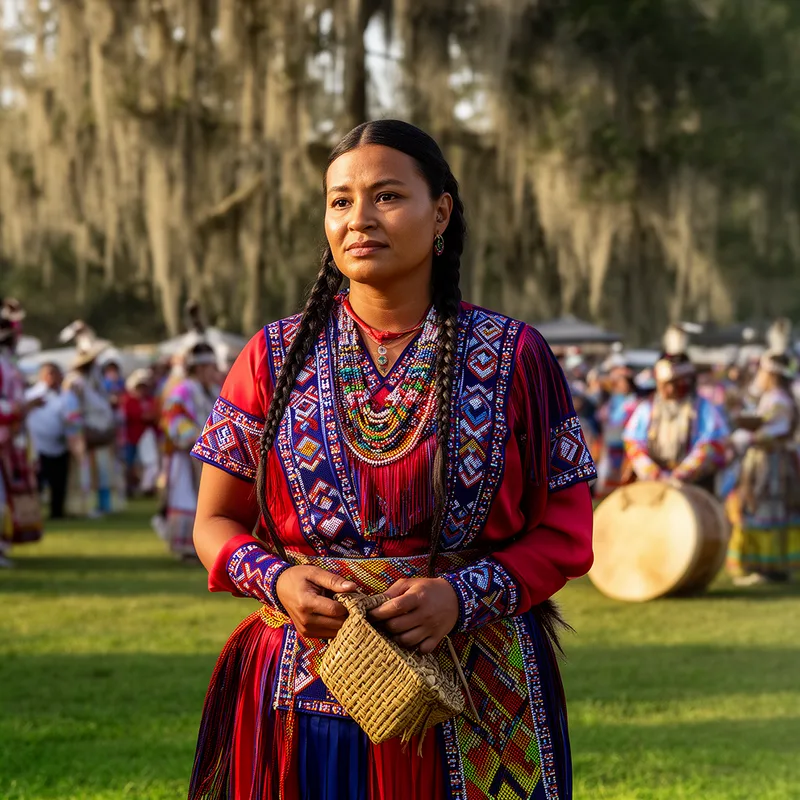
- Many Tunica-Biloxi individuals are actively involved in preserving their language and customs.
Examples
-
The position of the Department of the Interior shifted when George W. Bush became president, and the federal agency approved a compact for the Tunica-Biloxis of Marksville, Louisiana, similar to the rejected Coushatta compact.
Academic text (2017) -
The Grand Casino Coushatta, the Grand Casino Avoyelles (owned by the Tunica-Biloxis), and the Cypress Bayou Casino (owned by the Chitimachas)
Academic text (2017) -
The Tunica-Biloxis began initial compact negotiations around the same time the Coushattas did and worked with the same management company.
Academic text (2017) -
With this final obstacle cleared, the Grand Casino Coushatta finally opened its doors to customers on January 16, 1995, over eight months after the Tunica-Biloxi casino opened in Marksville, Louisiana.
Academic text (2017) -
The Tunica-Biloxi people have a rich cultural heritage that includes traditional music and dance.
-
The history of the Tunica-Biloxi Tribe reflects their resilience and connection to the southeastern United States.
Surface Forms
Etymology
Tunica-Biloxi comes from the names of two Native American groups, Tunica and Biloxi, who originally lived in what is now southeastern Mississippi and Louisiana. Today the combined name identifies the people, their culture, and their language, so Tunica-Biloxi means someone or something from that Native American community.

