
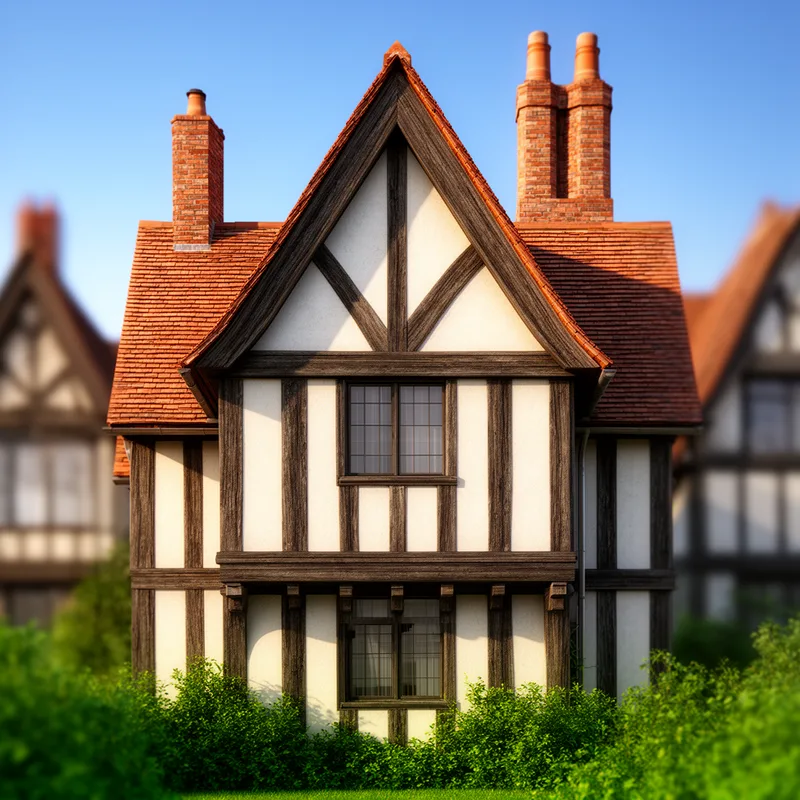
Tudor
 2
8.1
2
8.1

- adjective
- /ˈtjuːdər/
- The Tudor style of the house creates a charming atmosphere in the neighborhood with its distinctive design.
- Tudor house
- Tudor mansion
- Tudor style
Examples
-
It is an English Tudor, very elegant and self-contained.
Fiction book (2000) -
Your home has characteristics of a later Tudor Revival, as you can see by the squatter shape, flatter roofline, and narrower roof overhangs, and stylistically is more like something from 1938 than 1928.
Blog text (3) -
My dream house is an old Tudor-style home.
Blog text (33) -
To me, a true Tudor home should have more features like wood beams attached to the ceiling, etc.
Blog text (3) -
They built a Tudor Revival-style house in the middle of the ten acres.
Academic text (2009) -
Hence, I prefer the Tudor English style (some updating and clarifications, of course).
Blog text (19) -
It is an enormous Tudor mansion, half-timbered with ashlar veneer of brown gray, an ivy-covered arch over the driveway.
Fiction book (1994) -
Their new home features beautiful Tudor architecture with its characteristic half-timbering and steep roofs.
-
Many people admire the Tudor cottages in the area, noting their unique features and historical significance.
Compounds

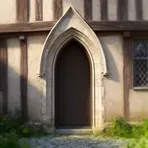

A style of English building from 1485 to 1603 with timber-framed houses, steep roofs, and decorated brickwork
Surface Forms
Etymology
Tudor comes from the Welsh family name Tudur, because the rulers with that name set the fashions and building styles of their time; houses and furniture from that period are called 'Tudor' style. So Tudor as an adjective describes the look or design that was common during that royal period.