
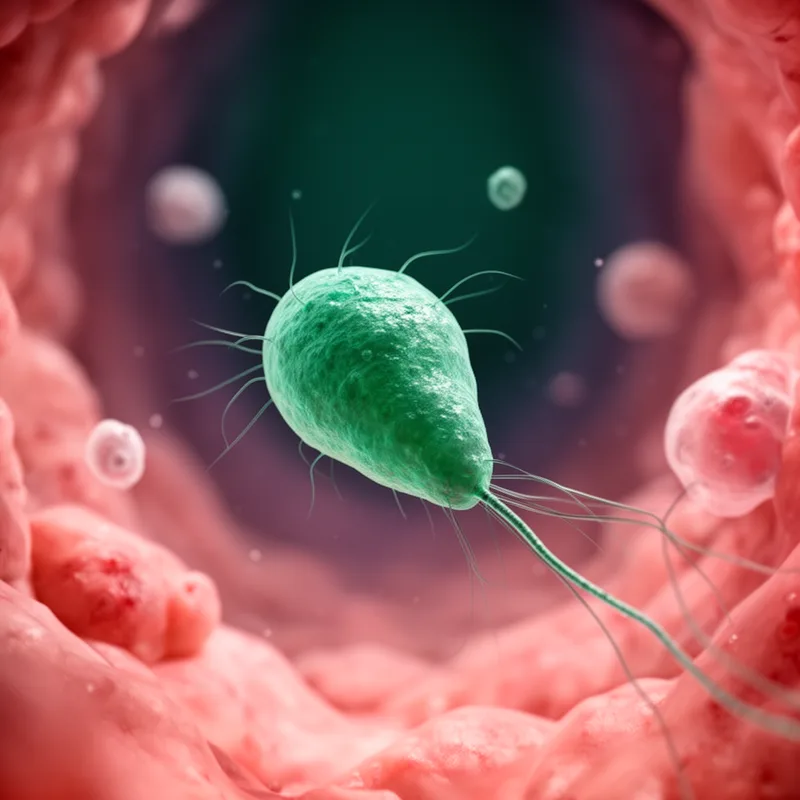
Trichomonas


 1
9.9
1
9.9
- noun
- /ˌtrɪkəˈmoʊnəs/
- Specialized
- The parasite Trichomonas vaginalis is responsible for causing infections in many women.
Examples
-
Many health professionals recommend testing for Trichomonas during routine examinations.
-
Nitroimidazoles (metronidazole and tinidazole) are the only recommended drugs for treating Trichomonas vaginalis infection, and previous samples that assessed resistance of such isolates have been limited in geographic scope.
Academic text (2012) -
The expected increased incidence of HSV-2, HPV, bacterial vaginosis, Trichomonas infections, and cervical cancer broadens the public health impact of decreased circumcision rates.
Blog text (19) -
Symptoms of a Trichomonas infection include itching, burning, and unusual discharge.
Synonyms
Very small single-celled animals with tail-like parts that live as parasites in animals and people
Compounds
- Specialized
Very small single-celled animals with tail-like parts that live as parasites in animals and people
Surface Forms
Etymology
Trichomonas comes from Greek parts tricho- ('hair') and -monas (like mono-, 'one'), because these tiny parasites have hair-like parts and are single-celled. So the name helps you remember it is a one-celled parasite with hair-like parts.