

Thelypteris phegopteris
- noun
- Specialized
- The damp forest floor was covered with Thelypteris phegopteris thriving in the shade of old trees.
Examples
-
The Thelypteris phegopteris thrives in damp, shaded areas.
-
We identified several clumps of Thelypteris phegopteris during our hike through the wooded valley.
-
Many botanists study Thelypteris phegopteris for its unique triangular fronds.
-
I spotted a Thelypteris phegopteris while hiking in the forest.
-
The damp forest floor was covered with Thelypteris phegopteris thriving in the shade of old trees.
-
Many botanists study Thelypteris phegopteris for its unique triangular fronds.
-
We identified several clumps of Thelypteris phegopteris during our hike through the wooded valley.
Synonyms
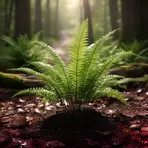
A fern with delicate leaves that grows in moist woodlands of North America and Eurasia

A fern called beech fern with triangular leaves that grows in cool, moist woods in North America and Europe
Surface Forms
Morphology
This is a Latin binomial made of two genus names that both denote ferns, so a learner who knows those constituents could infer it refers to a kind of fern. However, the precise species identity and the detailed description (beech fern, triangular fronds, specific habitat and range) are not derivable from simply combining the names, so only a partial inference is possible.
Etymology
Thelypteris phegopteris may come from old Greek words: phego meaning 'beech' and pteris meaning 'fern'. This gives a clear image of a fern often growing by beech trees with triangle-shaped leaves, so the name helps you remember the plant.

