
Thelephoraceae
- noun
- /ˌθɛlɪfɔːˈreɪʃiː/
- Specialized
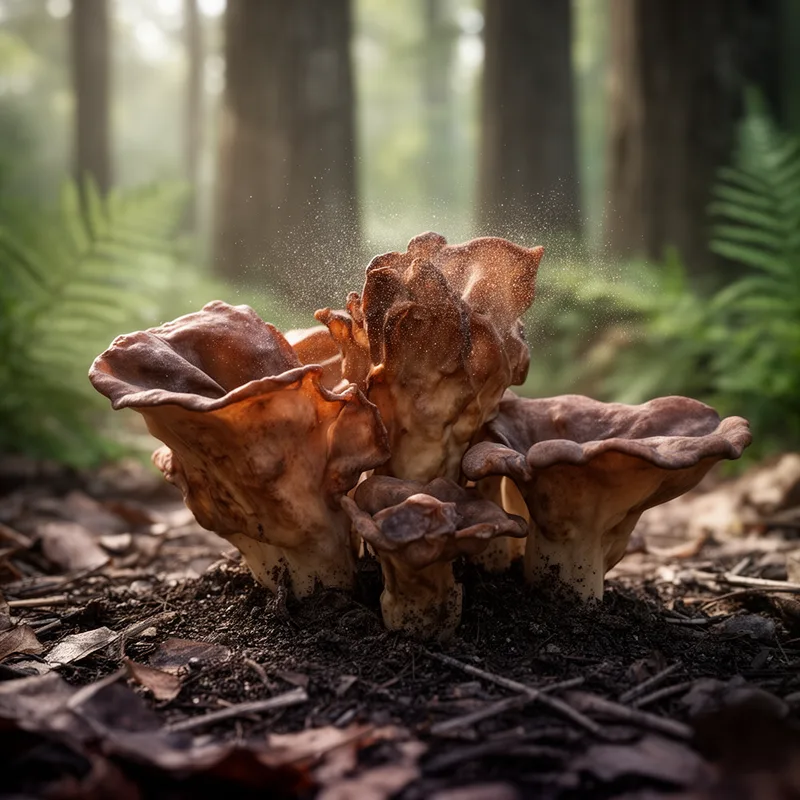
- The leathery texture of Thelephoraceae fruiting bodies makes them distinct from other fungi.
Examples
-
Several members of the Thelephoraceae family are found in temperate forests.
-
Researchers are studying the ecological roles of Thelephoraceae in nutrient cycling.
-
The Thelephoraceae family includes many species found in forests.
-
Did you know that Thelephoraceae fungi often have a leathery texture?
-
Researchers are studying the ecological roles of Thelephoraceae in nutrient cycling.
-
Several members of the Thelephoraceae family are found in temperate forests.
-
The leathery texture of Thelephoraceae fruiting bodies makes them distinct from other fungi.
Surface Forms
Morphology
Thelephoraceae = Thelephora (opaque) = Thelephora + aceae
Formation follows scientific Latin taxonomic naming (genus + -aceae for family); this is a technical formation not predictable by an average B1 learner.
Etymology
The word Thelephoraceae comes from Greek parts thele 'nipple' and phora 'to carry', because some of these fungi have small nipple-like bumps on their leathery fruiting bodies. The ending -aceae marks a family, like Rosaceae, the rose family, so the name helps you remember a family of fungi with leathery, often bumpy, fruiting bodies.

