
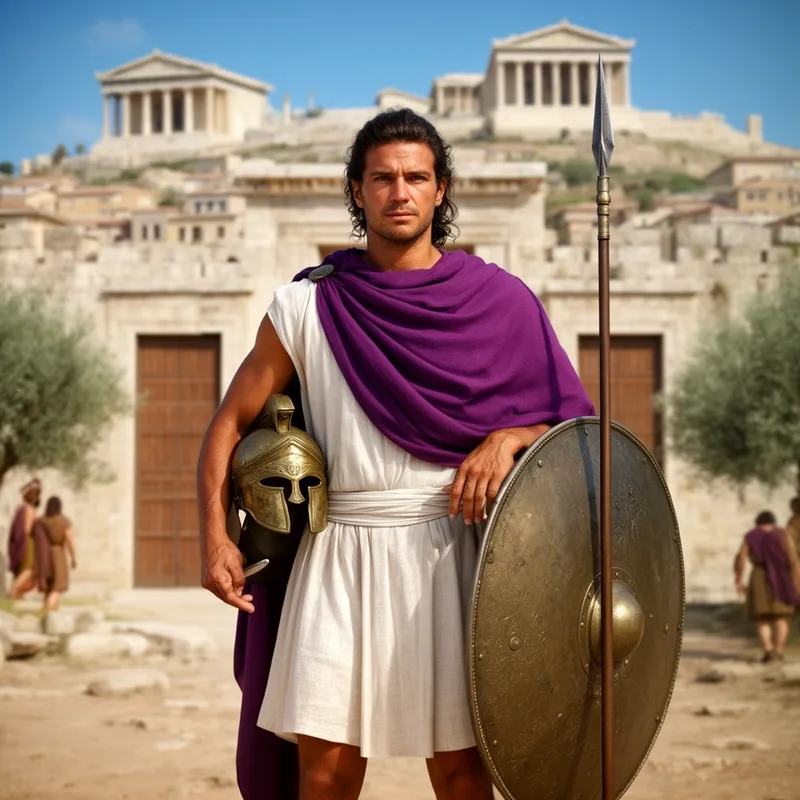
Theban


 1
9.6
- noun
- /ˈθiːbən/
- In ancient times, a Theban was proud to call the city of Thebes their home.
Loading YouTube…
Watch on YouTubeWhereas at Thebes the climate is dense and so the Thebans are stout and sturdy.
- Whereas at Thebes the climate is dense and so the Thebans are stout and sturdy.
- I mean, these strongest of warriors, at least until the Thebans beat them.
- And the first that you mentioned, and in particular with regard to Thebes, was that the Thebans did not understand their attacker.
Examples
-
They rushed to the top of the hill near the city, rained missiles down on the fleeing Thebans, and pursued them right down to the city wall.
-
So we will see the Athenians and the Thebans gradually moving apart.
-
Two years later, a group of these exiles, led by a Theban noble named Pelopedus, made their way back home.
-
And the first that you mentioned, and in particular with regard to Thebes, was that the Thebans did not understand their attacker.
-
Its ruler, Creon, she says, will try to capture him and take him back, while his own sons are fighting among themselves for the Theban throne.
Academic text (1994) -
The Thebans spat on this olive branch, making a brazen counter demand that Filottas and Antipater should instead be handed to them.
-
Many famous legends of ancient Greece, such as those surrounding Hercules, originated from Theban culture.
-
The Theban general led his troops bravely into battle, earning respect from allies and enemies alike.
Surface Forms
Morphology
Etymology
Theban originally meant a person from the Greek city Thebes, so a 'Theban' is simply an inhabitant or native of that city.