
Tetraodontiformes
- noun
- /ˌtɛtrəˌɒdənˈtɪfɔrmiːz/
- Specialized
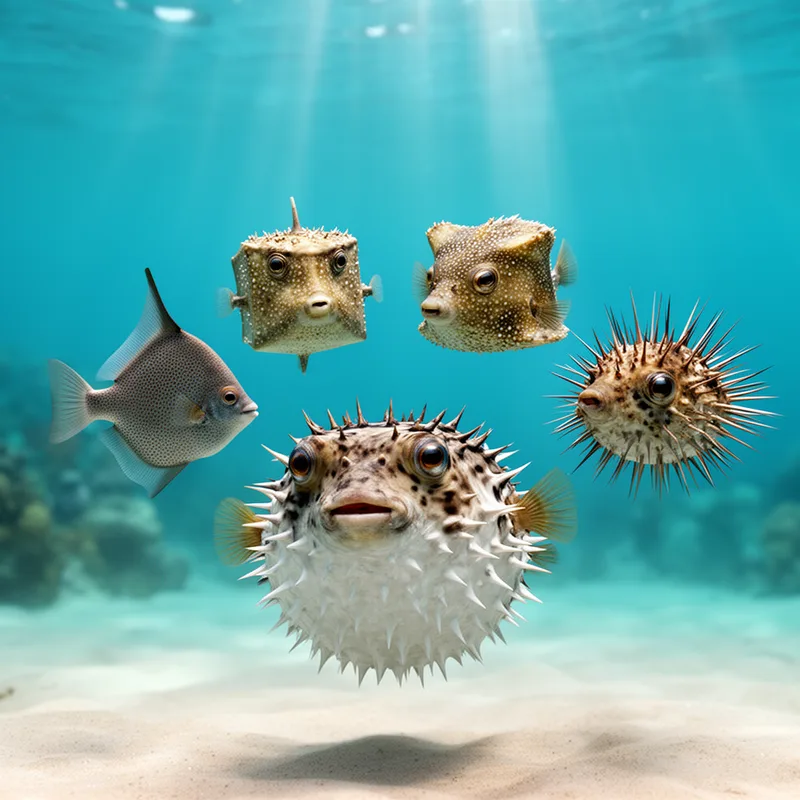
- The Tetraodontiformes are known for their spiny skins and diverse body forms.
Examples
-
The Tetraodontiformes include fascinating species like the pufferfish.
-
The Tetraodontiformes include some of the world's most oddly shaped fishes.
-
Researchers studied the defensive behaviors of puffers and other members of the Tetraodontiformes.
-
Did you know that Tetraodontiformes can inflate their bodies?
-
Researchers studied the defensive behaviors of puffers and other members of the Tetraodontiformes.
-
The Tetraodontiformes are known for their spiny skins and diverse body forms.
-
The Tetraodontiformes include some of the world's most oddly shaped fishes.
Synonyms

A group of fish like pufferfish and triggerfish with joined jaw bones

A group of fish with joined jaw bones, like puffers and triggerfish
Surface Forms
Morphology
Tetraodontiformes = Tetraodon (opaque) = tetra + odont + iformes
The word is a technical zoological name built on a classical genus name, so its meaning is not readily recoverable for an average B1 learner.
Etymology
Tetraodontiformes comes from three parts: tetra- 'four', odont 'tooth', and -formes 'shape'. It literally means 'four-toothed shapes', a useful picture because many puffers and their relatives have four strong teeth that form a beak and help explain their odd bodies and spiny skins.

