
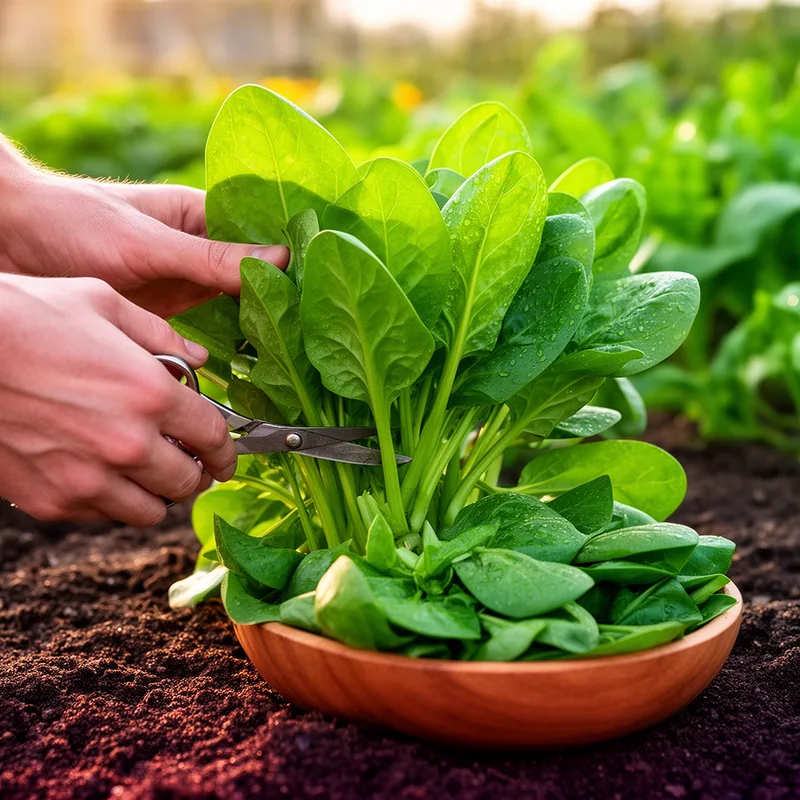
Tetragonia tetragonioides
- noun
- Specialized
- The leaves of Tetragonia tetragonioides are high in nutrients and can be used in salads or cooked dishes.
Examples
-
Tetragonia tetragonioides is often grown as a warm-weather substitute for true spinach in vegetable gardens.
-
Have you ever tried cooking with Tetragonia tetragonioides?
-
Botanists recommend planting Tetragonia tetragonioides in well-drained soil for best growth.
-
The Tetragonia tetragonioides plant thrives in warm climates.
-
Tetragonia tetragonioides is commonly referred to as New Zealand spinach due to its edible leaves.
-
In my garden, I planted Tetragonia tetragonioides alongside tomatoes and peppers for a diverse crop.
-
Many chefs appreciate Tetragonia tetragonioides for its unique flavor and versatility in dishes.
Synonyms

A spreading garden plant with thick edible leaves used like spinach

A spreading plant with thick green leaves that people eat like spinach
Surface Forms
Morphology
Tetragonia + tetragonioides
This is a Latin binomial (scientific) name: even if a learner recognizes 'Tetragonia' as a plant genus, the second element 'tetragonioides' is non-transparent and not a common English word, and B1 learners will not know taxonomic suffixes like -oides. The specific meaning 'New Zealand spinach / a coarse sprawling edible plant' cannot be derived from the surface constituents, so the expression is opaque to learners.
Etymology
Tetragonia tetragonioides comes from Greek words: tetra 'four' and gonia 'angle', because parts of the plant, like its leaves or seed pods, look a little square or four-sided. That's why its scientific name points to the plant's boxy shape and helps explain the name for the edible 'New Zealand spinach'.

