
Termitidae
- noun
- /tərˈmɪtɪˌdeɪ/
- Specialized
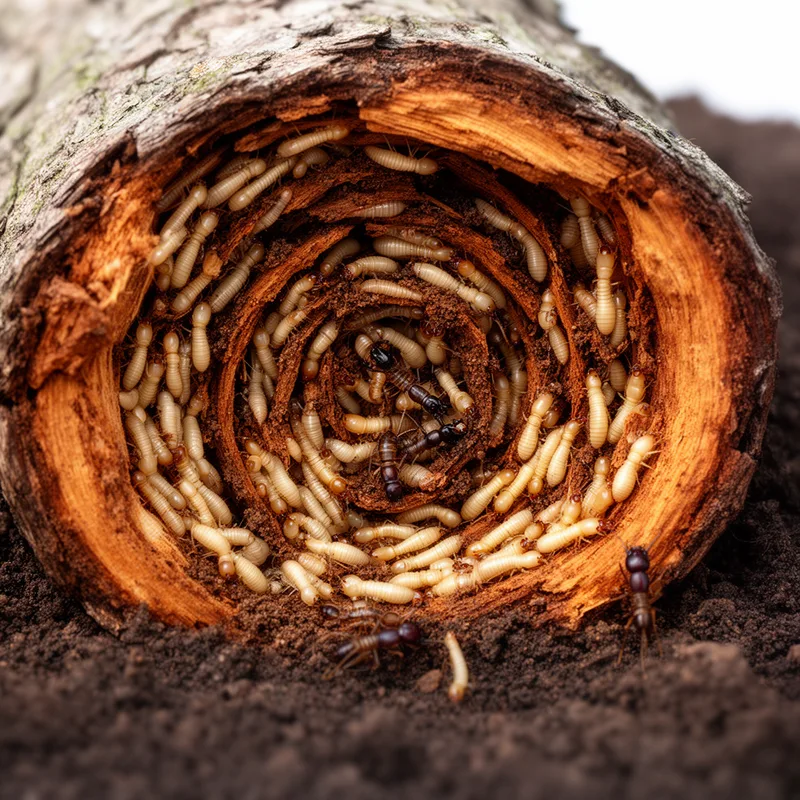
- The Termitidae are among the most diverse and abundant termite families worldwide.
Examples
-
Researchers studied the nesting habits of Termitidae in tropical forests.
-
Many species in the Termitidae play an important role in decomposition and soil formation.
-
Look at the Termitidae!
-
The Termitidae family includes many species that are vital to ecosystems.
-
Many species in the Termitidae play an important role in decomposition and soil formation.
-
The Termitidae are among the most diverse and abundant termite families worldwide.
-
The Termitidae family includes many species that are vital to ecosystems.
Surface Forms
Morphology
Etymology
The word Termitidae comes from the common word termite plus the scientific ending -idae, which means 'family' in animal names. So Termitidae literally means the 'termite family', which fits because it is the large group of termites that live in colonies and eat wood.

