
Technicolor
 14
7.9
14
7.9

- noun
- /ˈtɛk.nɪˌkʌl.ər/
- Archaic
 :
Technicolor
:
Technicolor
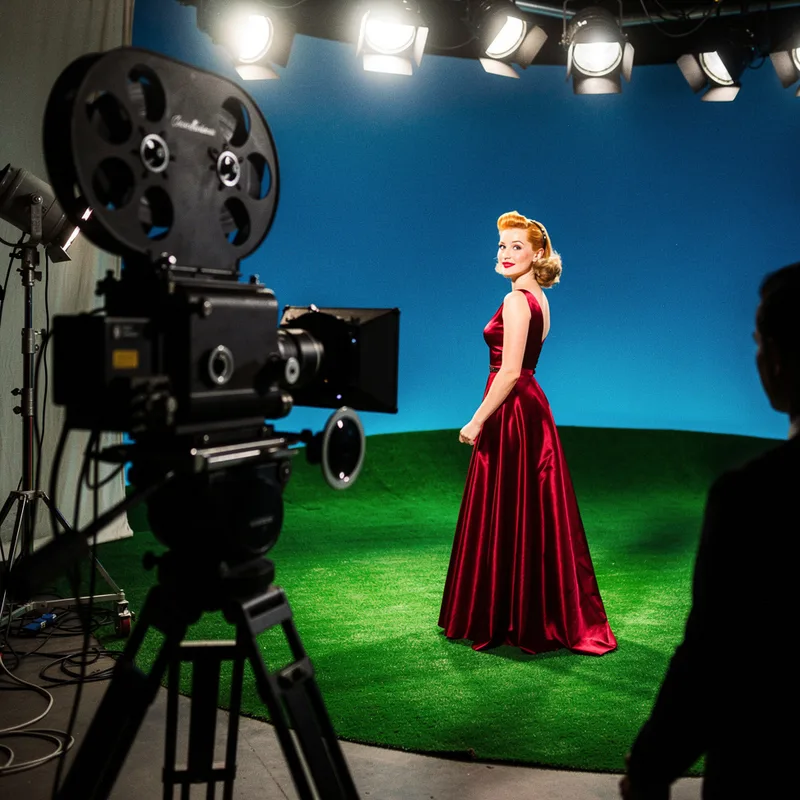
- We're ready to watch your Technicolor masterpiece, "Ditch Day 1964."
- Technicolor aesthetic
- Technicolor design
Examples
-
Beginning in the early 1940s, Technicolor began allowing some studio cinematographers to handle shooting on their own.
Academic text (1998) -
The image is organized as a parade of color, demonstrating Technicolor.
Academic text (1998) -
Indeed, the image embodies many qualities of classical Technicolor design.
Academic text (1998) -
But the director made his choices within the broader context of classical Hollywood Technicolor aesthetics.
Academic text (1998) -
But it would be misleading to characterize the Technicolor aesthetic as an inflexible style.
Academic text (1998) -
Within this aesthetic environment, the musical emerged as a staple Technicolor genre, capable of motivating this kind of display.
Academic text (1998) -
When the sun starts to dip in the Hollywood Hills, the light often takes on the saturated loveliness of Color by Technicolor.
-
Several commentators have noted that the 1940s brought bolder and more vibrant palettes to Technicolor productions (Basten 102).
Academic text (1998) -
Many classic films from the 1940s feature the vibrant colors of Technicolor that captivated audiences.
-
The restoration of that film in Technicolor brought back its original brilliance and made it a joy to watch.
How Colorful

Surface Forms
Morphology
Etymology
Technicolor was originally a brand name for a special film process, and the name mixes tech, like the start of 'technology' meaning 'skill' or 'machine', and color ('color'). It made films with very bright, rich colors, so Technicolor came to mean that trademark film process with a vivid look.