
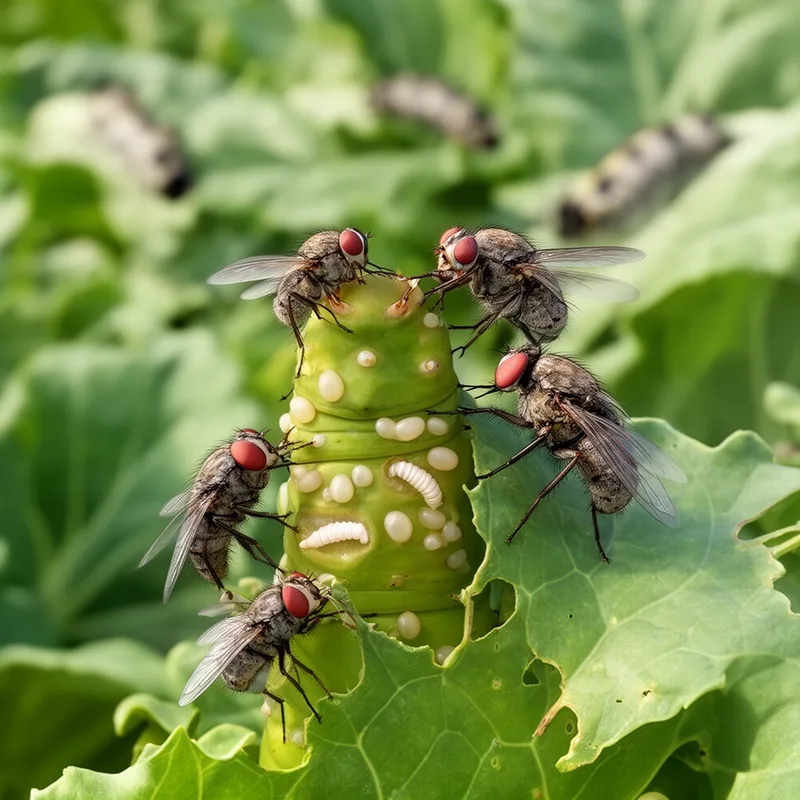
Tachinidae


 1
9.9
- noun
- /tæˈkɪnɪˌdeɪ/
- Specialized
- The larvae of Tachinidae play a crucial role in controlling caterpillar populations in agriculture.
- Tachinidae family
Examples
-
Farmers often rely on Tachinidae to help control pest populations.
-
Scientists studied several species within the Tachinidae family to better understand insect parasitism.
-
Many gardeners welcome Tachinidae because they help reduce pests naturally.
-
The Tachinidae family includes many species that are beneficial for agriculture.
-
The family Tachinidae includes many species that are known to help control pest populations by developing inside their hosts.
-
Farmers often introduce Tachinidae flies into their fields to naturally reduce the number of harmful insect pests.
-
Due to their parasitic nature, Tachinidae larvae can significantly impact the health of pest insects in agricultural ecosystems.
Synonyms
 1
9.9
A fly whose young live inside and kill other insects and helps control pests
A hairy fly whose young grow inside caterpillars and reduce crop pests
Surface Forms
Morphology
Tachinidae = Tachina (opaque) = tachina + idae
A technical New Latin taxonomic formation (genus name + '-idae') that is specialized and not semantically transparent to general learners.
Etymology
The word Tachinidae comes from the scientific genus Tachina plus the family ending -idae. The name Tachina probably comes from an old Greek part tachy- meaning 'fast', so a helpful way to remember Tachinidae is to think of these as 'fast' flies that find other insects to lay their eggs in, which is why they help control pests.