

Sunday
 ∞
1.0
∞
1.0

- proper noun
- /ˈsʌndeɪ/
- The next day was Sunday and we went for a ride down to the beach.
- Sunday morning
- Sunday afternoon
- Easter Sunday
Loading YouTube…
Watch on YouTubeSo vegan Tuesday through Sunday, salmon on Monday.
- So vegan Tuesday through Sunday, salmon on Monday.
- And I think we added a Sunday show this weekend.
- And then Wednesday and Sunday will be a run.
- We did it on a Sunday night in November.
- Meanwhile, this past Sunday, we won an Emmy.
- Let's hit up Blank Trail this Sunday, he replies.
- So sleeping in on Sunday is not a good idea.
- Well, you have to catch up by Sunday, but the finale Sunday.
- I will catch you next Sunday with a another new video.
- And he said to me, I'll pick you up next Sunday, give me the address.
- And I will see you next Sunday with another new video.
- Until then, have a great Sunday, take care, bye.
Examples
-
My wife and I go to church in Avenal every Sunday morning at eleven.
Fiction book (1990) -
We had once met at Sunday Mass at a Catholic church off campus.
Academic text (2011) -
I mean, how amazing is this Sunday breakfast?
-
We did it on a Sunday night in November.
-
Will there be a class this Sunday at midnight or whatever?
-
So sleeping in on Sunday is not a good idea.
-
The sauna bath was a family occasion, like Sunday dinner, and often a social occasion among friends.
Academic text (1990) -
Many families attend church services every Sunday as a tradition.
-
We usually spend our Sunday relaxing at home or going to the park.
-
The community picnic will take place this Sunday at the local park.
Synonyms
 5
7.4
5
7.4
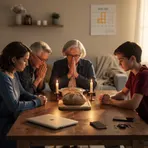
A weekly day for rest and religious activities, for example Saturday or Sunday
 3
7.2
3
7.2
A day most Christians keep for rest and worship, usually Sunday
Antonyms

Idioms



Compounds



 1
3.4
1
3.4
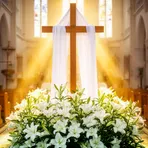
The Sunday before Easter when Christians remember Jesus' entry into Jerusalem and hold palm leaves






- Archaic
The Sunday before Ash Wednesday that is the last Sunday before Lent

Sunday closest to November 11 when people in the UK and some other countries remember those who died in wars

- Formal
The fifth Sunday in Lent that begins the two-week time to remember Jesus' suffering before Easter


The first Sunday after Pentecost when churches celebrate the belief in Father, Son and Holy Spirit
Surface Forms
Morphology
Etymology
Sunday comes from old English words meaning sun and day, so it originally meant 'sun's day'. That's why Sunday is often the first day of the week and a common day for rest or worship.