
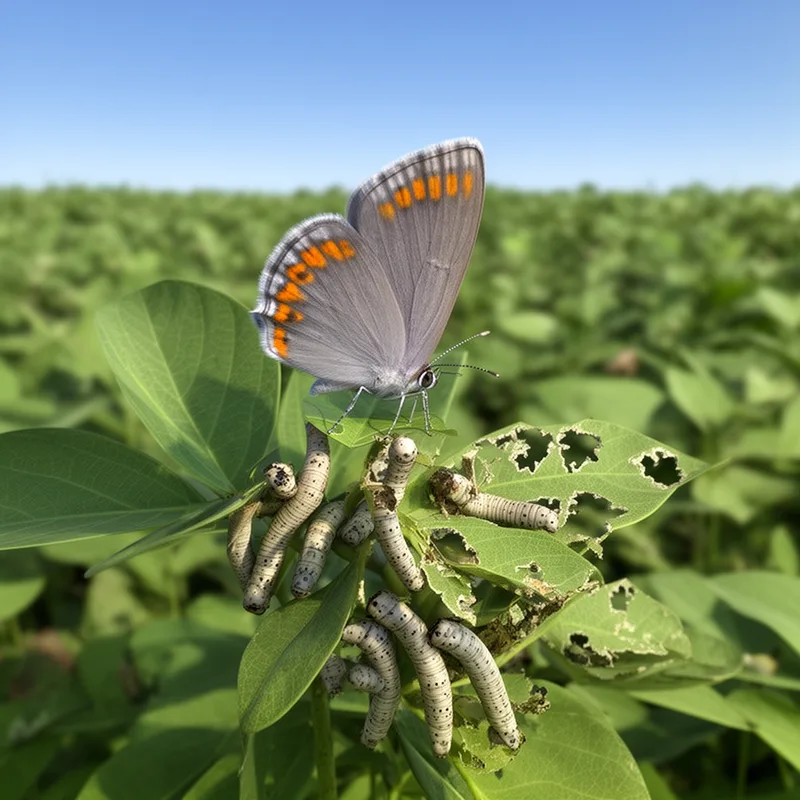
Strymon melinus
- noun
- Specialized
- The larvae of Strymon melinus can cause damage to cotton, beans, and other crops.
Examples
-
Many gardeners recognize Strymon melinus by its gray wings with orange spots.
-
The Strymon melinus is often found in gardens.
-
Farmers are often concerned about infestations of Strymon melinus in their fields.
-
Have you seen a Strymon melinus before?
-
Farmers are often concerned about infestations of Strymon melinus in their fields.
-
The larvae of Strymon melinus can cause damage to cotton, beans, and other crops.
-
Many gardeners recognize Strymon melinus by its gray wings with orange spots.
Surface Forms
Morphology
Strymon + melinus
This is a scientific binomial functioning as a taxonomic proper name; knowing the parts (a genus name 'Strymon' and the obscure epithet 'melinus') does not let a B1 learner infer the meaning 'a North American butterfly species'. Species names are essentially labels (often Latin/Greek) and are not compositionally transparent across languages, so the meaning is unpredictable from the constituents.
Etymology
Strymon melinus may come from old Greek words: Strymon was the name of a river and melinus means 'honey-coloured', so the name points to the little orange mark on the butterfly's wing. That's why Strymon melinus refers to the small gray hairstreak butterfly and helps you remember the insect whose caterpillars can damage crops.

