
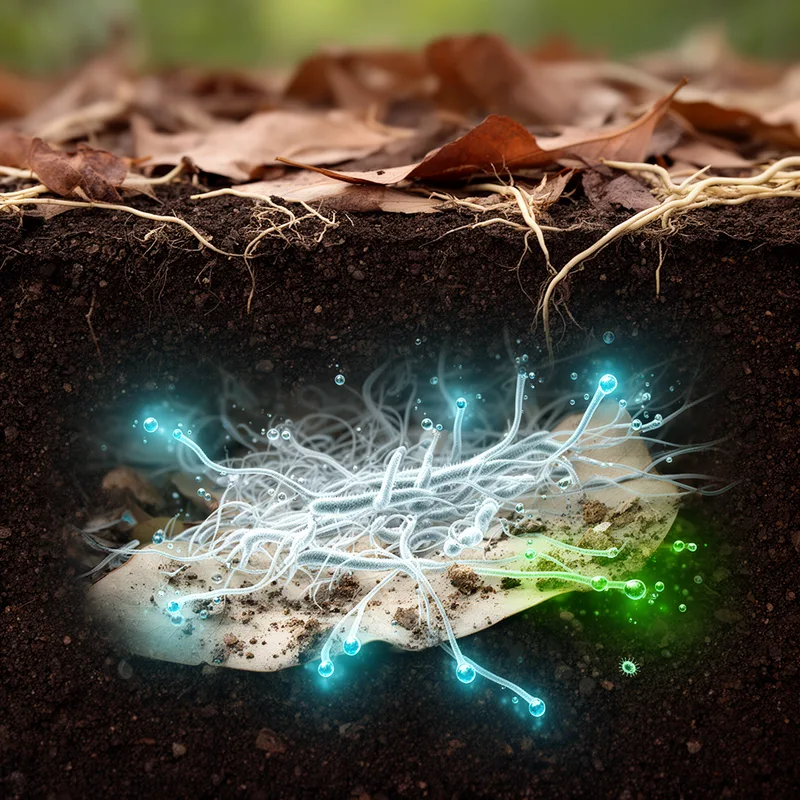
Streptomycetaceae
- noun
- /ˌstrɛp.təˌmaɪ.kɪˈteɪ.ʃiː/
- Specialized
- Members of the Streptomycetaceae family are well known for producing natural antibiotics.
Examples
-
The family Streptomycetaceae is crucial in antibiotic production.
-
Researchers isolated new compounds from a strain belonging to the Streptomycetaceae.
-
The soil sample showed a high diversity of Streptomycetaceae under the microscope.
-
Many scientists study Streptomycetaceae for its medicinal properties.
-
Members of the Streptomycetaceae family are well known for producing natural antibiotics.
-
Researchers isolated new compounds from a strain belonging to the Streptomycetaceae.
-
Many scientists study Streptomycetaceae for its important role in decomposing organic matter.
Surface Forms
Morphology
Streptomycetaceae = Streptomyces (opaque) = Streptomyces + aceae
Formed as a scientific family name from the genus Streptomyces using the taxonomic suffix '-aceae', which is specialized knowledge and not guessable by general learners.
Etymology
The word Streptomycetaceae comes from parts that mean 'twisted' and 'fungus'. The strepto- part (seen in Streptococcus) means 'twisted', the mycet- part means 'fungus', and the ending -aceae marks a 'family', so the name describes a family of soil bacteria that look like twisted fungal threads and are known for making antibiotics.

