
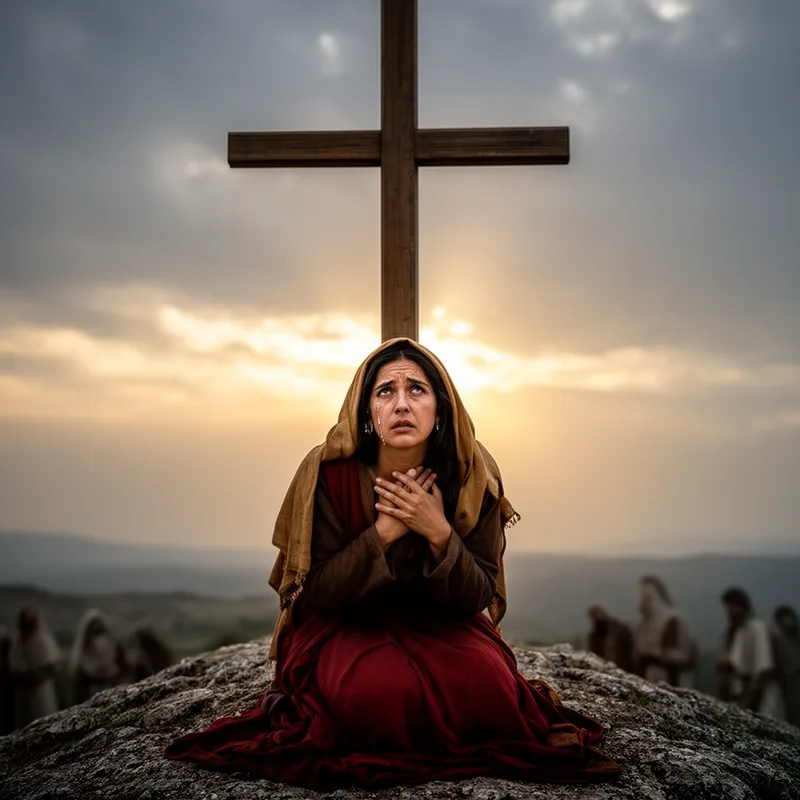
St. Mary Magdalen
- proper noun
- /seɪnt ˈmɛri ˈmæɡdələn/
 :
Santa María Magdalena
:
Santa María Magdalena
- According to the Gospels, St. Mary Magdalen was present at both the crucifixion and the resurrection of Jesus.
Examples
-
Many artists have depicted St. Mary Magdalen as a symbol of repentance in their paintings.
-
Some scholars believe that St. Mary Magdalen played a significant role among the early followers of Jesus.
-
Many people admire St. Mary Magdalen for her unwavering faith.
-
Did St. Mary Magdalen witness the resurrection of Jesus?
-
According to the Gospels, St. Mary Magdalen was present at both the crucifixion and the resurrection of Jesus.
-
Many artists have depicted St. Mary Magdalen as a symbol of repentance in their paintings.
-
Some scholars believe that St. Mary Magdalen played a significant role among the early followers of Jesus.
Synonyms
 1
5.6
1
5.6

A woman in the New Testament who Jesus heals and who follows him closely

A woman in the New Testament who was healed by Jesus and became his follower
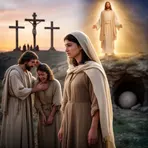
A woman who follows Jesus, is healed by him and sees his death and return to life
Surface Forms
Morphology
St. + Mary + magdalen
The constituents give partial cues: 'St.' signals a saint and 'Magdalen' evokes the traditional idea of a penitent woman, so a learner who knows those parts can infer a religious, penitential figure named Mary. However, the specific identity and biographical meaning — a New Testament follower of Jesus with particular traditions attached — are proper-name knowledge not fully derivable from the parts alone, so the expression is only partly predictable.
Etymology
St. Mary Magdalen comes from a woman in the Bible who was Mary from the town of Magdala. One popular story says Jesus healed her and she poured perfume on his feet and wept, so she became a strong image of 'repentance' and a devoted 'follower'.