
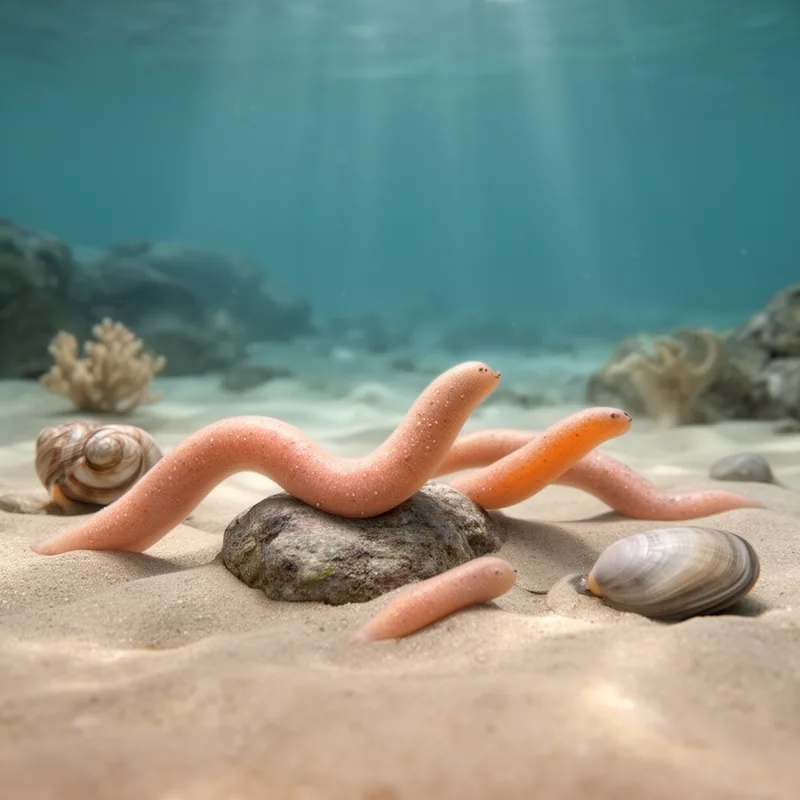
Solenogastres
- noun
- Specialized
- Members of the Solenogastres are notable for their lack of a true shell.
Examples
-
Research on Solenogastres helps scientists understand the evolution of mollusks.
-
The Solenogastres are marine mollusks known for their unique, shell-less bodies.
-
New marine species within the Solenogastres have been described in recent years.
-
The Solenogastres are fascinating creatures found in deep ocean environments.
-
Are Solenogastres more closely related to snails or octopuses?
-
Researchers have discovered several new species of Solenogastres in the deep sea.
-
Studying Solenogastres provides valuable insights into mollusk evolution and diversity.
Synonyms
A group of shell-less sea animals that look like worms and are related to snails and clams
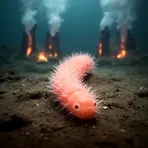
A small worm-like sea animal with no shell and covered in tiny spines
A group of shell-less, worm-like sea animals related to snails and clams
Compounds
- Specialized
A group of shell-less sea animals that look like worms and are related to snails and clams
Surface Forms
Etymology
The word Solenogastres comes from Greek parts solen- ('pipe') and gaster ('stomach'), so it literally means 'pipe-stomach'. This is a handy image because these are small, worm-like sea animals with a long tube-like gut and no shell, which is why the name fits.

