
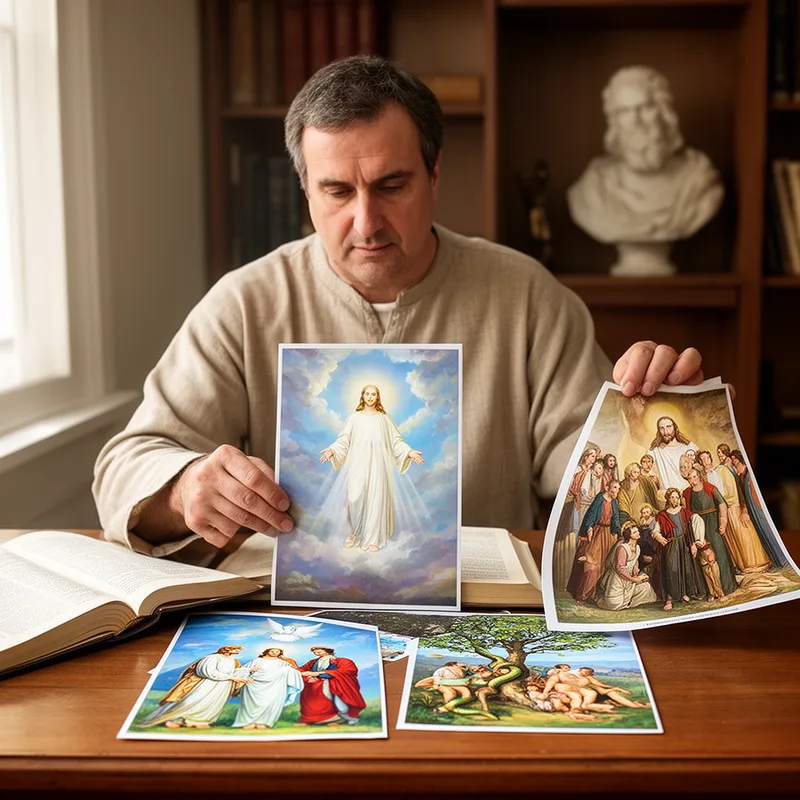
Socinian


 1
9.9
- noun
- /səˈsɪniən/
- Archaic
- Many historians debate the influence of Socinians in shaping early modern religious thought.
Examples
-
It may be that Newton fell under Socinian influences, but I think not.
Academic text (1990) -
At the same time, he was very critical of those, like the Socinians, whose belief in immortality was predicated upon a miraculous resurrection.
Academic text (1998) -
As Leibniz puts it in a late paper against one of the Socinians:
Academic text (1998) -
Leibniz met this tendency in Locke and certain Socinian writers.
Academic text (1998) -
In any case, Leibniz's reply to the Socinians is also relevant to Swinburne.
Academic text (1998) -
This was a view Leibniz particularly associated with the Socinians and attributed also to Locke.
Academic text (1998) -
He was alarmed at what he took to be a concession of Locke's that the soul might be material and by the associated Socinian view that the afterlife was an unintelligible gift of divine grace.
Academic text (1998) -
They may incidentally have had contact also with German Reformed, Dutch Roman Catholics, Polish Socinians, and German, Scandinavian, and Dutch Lutherans.
Academic text (2010) -
He studied the writings of the Socinians to better understand their views on theology.
-
The beliefs held by Socinians, particularly regarding Christ's divinity, sparked intellectual discussions in the 17th century.
Synonyms
 5
7.0
A person who believes God is one rather than three
Surface Forms
Morphology
Socinian = Socinus (semi-transparent) = Socinus + ian
Formed by the proper name 'Socinus' plus the productive suffix '-ian' meaning 'follower of'; the morphological pattern is clear but understanding requires knowledge of the obscure proper name.
Etymology
Socinian comes from the name of the Italian thinker Socinus, also spelled Sozzini, and the English ending -ian, which means 'belonging to' just like in Christian. So a Socinian is a 'follower' of Socinus's ideas, especially someone who denied that Christ is God and rejected the Trinity.