
Sir
 32
1.4
32
1.4

- noun
- /sɜr/
- Formal
- After winning the award, Sir Elton took the stage to give his acceptance speech.
- dear sir
- Yes, sir
- thank you, sir
Loading YouTube…
Watch on YouTubeAnd the case for action, Sir Graham, could not be clearer.
- And the case for action, Sir Graham, could not be clearer.
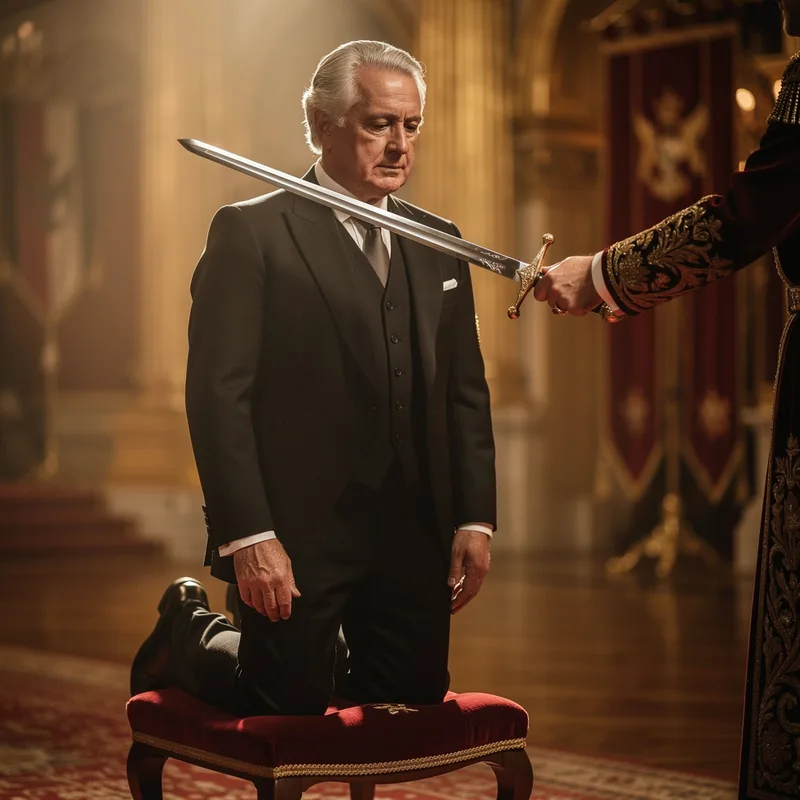
- So instead of being knighted, Sir Irving was blanked.
- It was coming to the end of Sir Alex Ferguson's reign.
- Saving, of course, for Sir Jason Statham.
- I'll show you a quote by Sir Arthur Eddington.
- I speak of the master circuit, Sir Tiberius.
- You don't ever want to be sort of like Sir Lancelot in retirement.
- They didn't have e-mail in those days from Sir John Hicks.
- The third person said I'm helping Sir Christopher Wren build this cathedral.
- My little dog is Sir Shits a lot, but I sure do love him.
- The board under Sir Howard Davis are still in place.
Examples
-
We now come to questions to the Prime Minister, Sir Bill Wigan.
-
In your eyes, Sir Ian, what is high performance?
-
Whatever you wish, Sir, you asked for it.
-
We have to call him Sir or teacher.
-
This is Sir George and this is Sam.
-
Let's see how it goes, Sir Lee Temple.
-
What's on the menu today, good sir?
-
"Your new spinner, sir," she said.
Fiction book (1997) -
And the case for action, Sir Graham, could not be clearer.
-
I'll show you a quote by Sir Arthur Eddington.
Synonyms
 11
9.4
11
9.4
A polite Italian word to call a man, like sir


 1
9.9
1
9.9
A respectful old title for a man used in stories

A respectful word used to address someone in authority
Idioms

Compounds

- Offensive
A joking name for someone with little formal education, especially in Latin
Surface Forms
Etymology
Sir comes from the old word sire and the Latin senior, both meaning 'older' or 'elder'. Think of it as calling someone 'older' in rank or respect, which is why Sir is used as a polite title for knights and baronets.