

Simon Legree
- proper noun
- /ˈsaɪmən ləˈɡri/
- Literature
- In literary criticism, the character of Simon Legree represents the embodiment of cruelty and oppression.
Examples
-
Her father, though strict, was no Simon Legree and always acted out of genuine concern.
-
In the story, Simon Legree represents oppression.
-
Many employees nicknamed their boss Simon Legree for his unreasonable demands and stern demeanor.
-
Don't be a Simon Legree!
-
The manager was often compared to Simon Legree for his harsh treatment of staff.
-
In discussions about abusive characters in literature, Simon Legree is a frequent reference.
-
When she heard his cruel remarks, she thought, 'He's acting like a true Simon Legree today.'
Synonyms

 83
5.8
83
5.8

A person in power who treats others cruelly and unfairly
 15
7.4
15
7.4
A very unpleasant or cruel person who frightens others
 5
7.5
5
7.5
A person who makes other people work very hard in a harsh, unfair way
 1
8.2
1
8.2
A person who forces others to live and work without freedom
Antonyms

How Cruel

Surface Forms
Morphology
Simon + Legree
This is a proper-name allusion: the sense 'cruel or tyrannical person' comes from the literary character in Uncle Tom's Cabin, not from any compositional meaning of 'Simon' or 'Legree', so a B1 learner who only knows the constituent names cannot infer the meaning. Recognizing the expression requires cultural/literary knowledge rather than productive combination of word meanings, making it unpredictable for learners.
Etymology
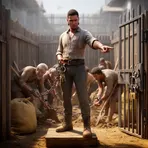
Simon Legree is the cruel slave owner in the novel 'Uncle Tom's Cabin'. Because he treats people very badly in the story, his name is used to describe someone who is very cruel or harsh.