
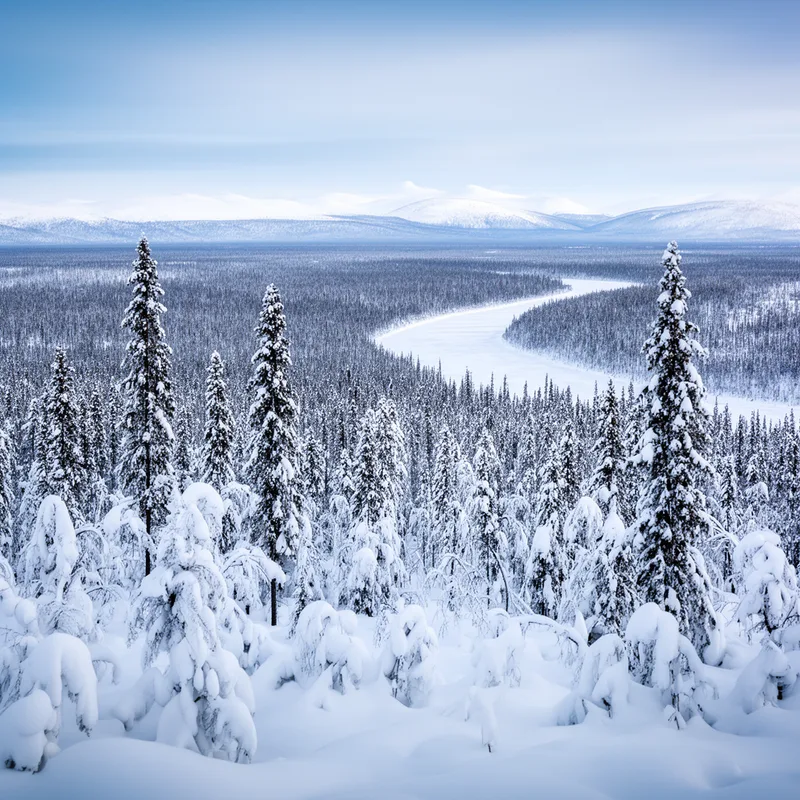
Siberia
 44
3.4
44
3.4

- proper noun
- /saɪˈbɪəriə/
- Many people travel to Siberia to witness the breathtaking natural beauty and diverse wildlife.
- eastern Siberia
- northern Siberia
- northeastern Siberia
Loading YouTube…
Watch on YouTubeSo then you don't have to use tractors and other equipment like they're doing in Siberia to knock down those trees.
- So then you don't have to use tractors and other equipment like they're doing in Siberia to knock down those trees.
- Their ancestors had sailed from the grim island to spread across northern Europe, Siberia and Manchuria.
- How long does it take to ride from Ulan Batar, Mongolia on a horse to Vienna, Austria, across all of Siberia?
- Our episode stars Alexander Sarsgaard as a Werner Herzog type who is trying to make a CBS network multicam in the middle of Siberia.
- They literally tested this on women in Siberia in the winter and thanks to Zika it really really helps to soothe irritated skin.
- You could and people were sent to Siberia or executed for telling these jokes, but they were very good jokes under the circumstances.
- It's a great joy whether I do it in Novosibirsk, Siberia, or whether I do it in South Africa
Examples
-
The region of Siberia is famous for its severe winters and vast, untouched landscapes.
-
Meanwhile, scientists say a prehistoric lion cub discovered in Siberia is the best preserved Ice Age animal ever found.
-
The trip back from Siberia took a lot out of me.
-
Something similar happened on Earth over Siberia in the early part of this century.
Academic text (1991) -
The beans only grow in one specific region in Siberia.
-
Dostoyevsky was sent to prison in Siberia, where he spent four years.
Fiction book (1998) -
This would mean crossing Siberia to reach Vladivostok and then around the world to fight in France.
-
Vavilov was arrested, and he died in Siberia while performing forced labor.
Academic text (1992) -
Russian oil exports to Europe are likely to fall as production in western Siberia and the Volga-Ural region decreases.
Academic text (2015) -
People in Siberia and the High Arctic are uniquely adapted to survive extreme cold.
Synonyms

The part of Russia that lies in Asia east of the Ural Mountains
Surface Forms
Etymology
Siberia comes from the old local name Sibir, and one popular story says Sibir is from a Turkic word meaning 'sleeping land', so you can imagine a huge, quiet place under long winters. That's why Siberia now means a very large, cold, and remote region.