
Shikoku
 1
7.4

- proper noun
- /ʃɪˈkoʊku/
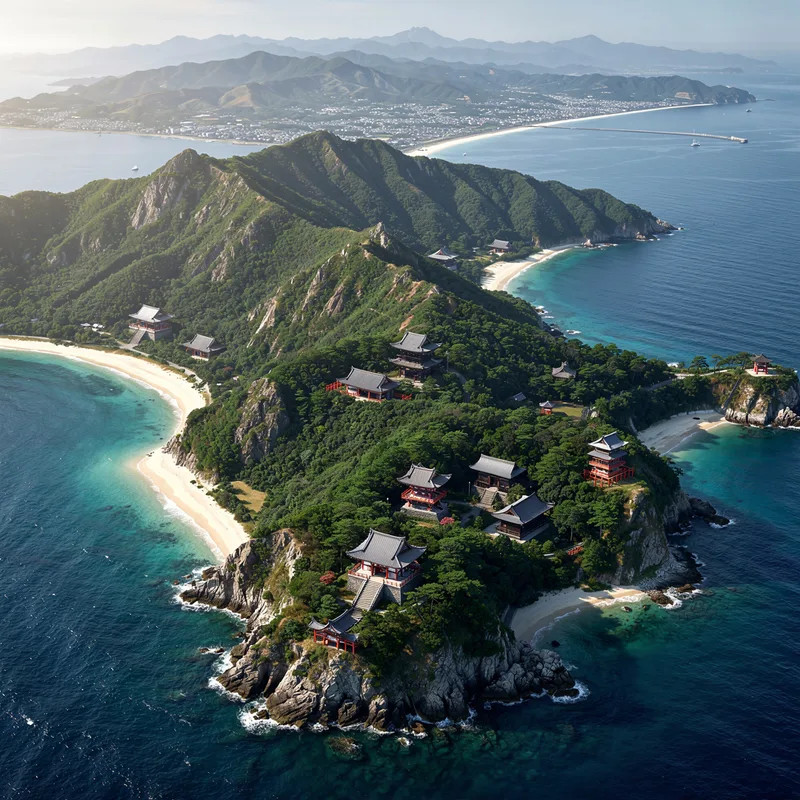
- Shikoku is located to the south of Honshu and east of Kyushu, making it a unique part of Japan.
- the island of Shikoku
- the heart of Shikoku
- Shikoku, the smallest
Examples
-
Lewis-Kraus moved from San Francisco to Berlin and then set out on a series of pilgrimages: Camino de Santiago in Spain, Shikoku in Japan, and Uman in Ukraine.
Blog text (15) -
Of six railway companies, three (Hokkaido, Shikoku, and Kyushu) are fully owned by the government entity Japan Railway Construction, Transport and Technology Agency.
Blog text (7) -
The Shikoku Channel shone in front of the city.
Fiction book (1991) -
At the end of fall one year, the troupe crossed the channel and went to Shikoku.
Fiction book (1991) -
So he walks around the island of Shikoku visiting Buddhist temples.
Blog text (22) -
Her hometown was in a corner of Shikoku Island, one of the few prefectural capitals to which the trains did not run.
Fiction book (1991) -
Sento, or neighborhood bathhouses, can be found from the largest area in Shinjuku to a small town on the island of Shikoku.
Blog text (34) -
The Camino de Santiago kicks off a mini-binge of pilgrimages, followed by the Buddhist perambulation of the Japanese island Shikoku and the Hasidic.
Blog text (29) -
Jutai depicts the frustrations of a prototypical Japanese family, the Fujis, as Mom, Dad, older sister, and younger brother spend hours traveling by car in order to return to Dad's birthplace, a remote island off Shikoku, for Oshogatsu.
Academic text (1997) -
The island of Shikoku is known for its breathtaking natural beauty and peaceful atmosphere.
Surface Forms
Etymology
The word Shikoku comes from two Japanese parts, shi meaning 'four' and koku meaning 'country' or 'province'. The island used to be four provinces, so Shikoku really means the 'four countries' island, which helps explain its name as one of Japan's four main islands.