
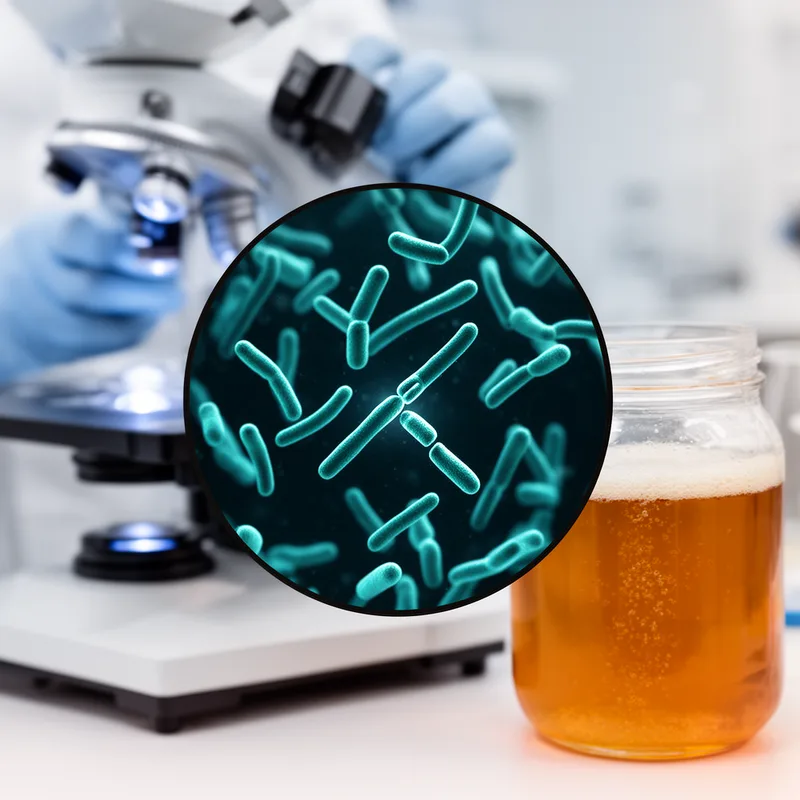
Schizosaccharomyces
- noun
- /ˌskɪtsoʊsæˈkɛrəˌmaɪsiːz/
- Specialized
- Schizosaccharomyces pombe is often used in research to study cell division.
Examples
-
Unlike budding yeasts, Schizosaccharomyces reproduces by fission.
-
Researchers isolated Schizosaccharomyces from a sample of fermenting tea.
-
The Schizosaccharomyces genus is crucial for fermentation research.
-
Researchers are studying Schizosaccharomyces for its unique properties.
-
Schizosaccharomyces pombe is often used in research to study cell division.
-
Researchers isolated Schizosaccharomyces from a sample of fermenting tea.
-
The Schizosaccharomyces genus is crucial for fermentation research.
Surface Forms
Morphology
Schizosaccharomyces = Saccharomyces (opaque) = schizo + saccharomyces
Although formed by a recognizable combining prefix added to an existing genus name, the Latinized scientific formation is not transparent to average B1 learners unfamiliar with Greek/Latin combining forms.
Etymology
Schizosaccharomyces breaks into three parts: schizo- 'split', saccharo- 'sugar', and -myces 'fungus'. So it means a 'sugar fungus that splits'. That fits this yeast because it eats sugar and makes more of itself by splitting, and that is why scientists use it in fermentation and research.

