

Schizomycetes
- noun
- /ˌskɪzoʊˈmaɪsiːtiːz/
- Archaic
- Modern microbiology no longer classifies bacteria as Schizomycetes, but the term appears in older texts.
Examples
-
In the past, Schizomycetes referred to a wide range of bacteria.
-
The term Schizomycetes was long used to describe bacteria that reproduce by fission.
-
Research into Schizomycetes contributed to early understanding of bacterial life cycles.
-
The term Schizomycetes was used in older classifications of bacteria.
-
Historically, the term Schizomycetes was used to categorize various types of bacteria in scientific literature.
-
The classification Schizomycetes has been replaced by modern taxonomy in microbiology.
-
In older biological classifications, Schizomycetes encompassed many species of bacteria known for their simple reproductive methods.
Synonyms

An old name for blue-green algae now called cyanobacteria

An old name for blue-green bacteria also called cyanobacteria
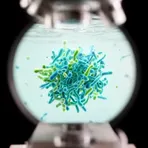
A group of simple living things now called blue-green algae
Surface Forms
Morphology
Schizomycetes = Schizomycete (opaque) = schizo + mycetes + s
The singular base 'Schizomycete' is formed from Greek combining forms (schizo- + -mycetes) used in scientific taxonomy; these are not common productive English morphemes and the sense 'bacteria' is specialized and obsolete.
Etymology
Schizomycetes comes from Greek parts schizo- meaning 'split' and -mycetes meaning 'fungus', so it originally meant 'split fungi'. Scientists once used the name for bacteria that reproduce by splitting, which helps you remember the old name even though it is no longer used.

