
Santiago
 1
3.3
1
3.3

- proper noun
- /sænˈtiːɑːɡoʊ/
 :
Santiago
:
Santiago
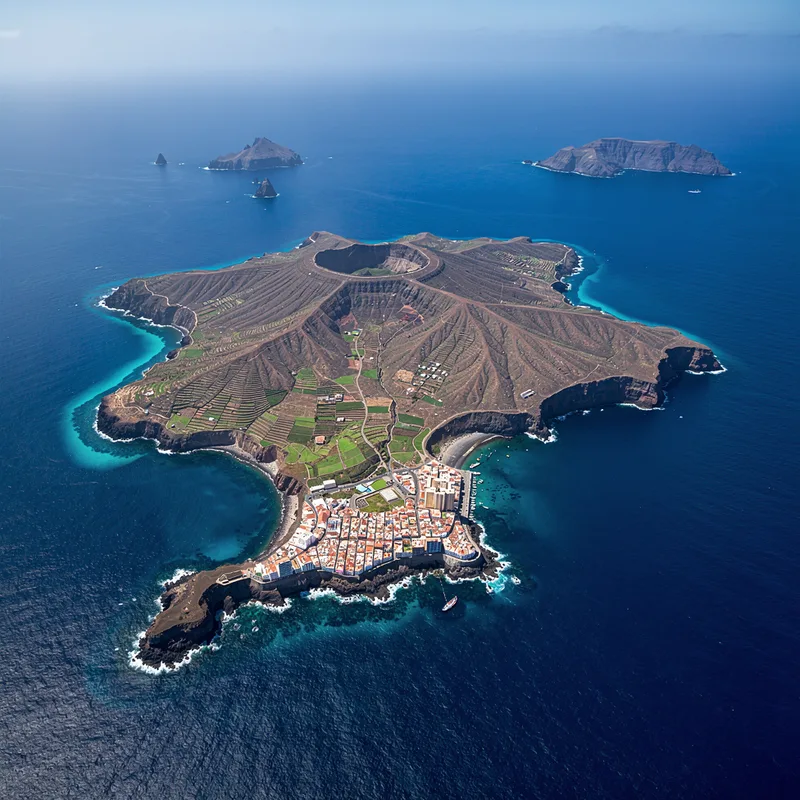
- Santiago was the first island to be colonized and where the bulk of agricultural production takes place.
- Santiago Atitlán
Examples
-
Pilar Cereceda, a geographer from Santiago's Catholic University, led the first pilot project, and the memories of its revolutionary impact remain fresh in her mind.
Academic text (2007) -
In the capital, most slum dwellers are from the rural interior of Santiago Island.
Academic text (2008) -
The Leeward group is dispersed along: Santiago, Maio, Fogo, and Brava.
Academic text (2008) -
The ship stood about ten miles northwest of Santiago, the largest of the Cape Verde Islands.
-
Many tourists visit Santiago to explore its beautiful beaches and unique culture.
-
The local cuisine on Santiago Island is known for its fresh seafood and exotic flavors.
Synonyms

A large island in Cape Verde in the Atlantic with towns, volcanic hills, and colonial buildings
Compounds

A major 1898 naval battle where the United States fleet destroyed Spain's ships in the harbor

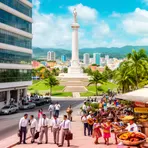
A large city in the northern Dominican Republic known for culture and business

Surface Forms
Etymology
Santiago is Spanish and Portuguese for 'Saint James', made from Sant 'saint' and Iago an old form of the name James. Portuguese sailors named the Cape Verde island Santiago after the saint, which is why the island has this name.