
Sangay
- proper noun
Examples
-
Representative Rohrabacher wrote to Sangay, "Actions taken by you and other Tibetan leaders ... are eroding support within the US Congress for the Tibetan cause."
Blog text (27) -
Ngapo is well respected within the Tibetan community and is known for encouraging open discussion about Tibet's future, including independence, a position not advocated by Sangay and some other individuals in the Tibetan Government-in-Exile.
Blog text (27) -
Lobsang Sangay, the Prime Minister of the Tibetan Government in Exile, and his predecessor Samdong Rinpoche have in the past expressed their opposition to the leadership of the Tibetan Service at RFA.
Blog text (27) -
We firmly believe that an end to repression will effectively end the cycle of self-immolation," Tibetan Prime Minister-in-exile Lobsang Sangay, who is also the political successor to the Dalai Lama, was quoted as saying.
Blog text (3) -
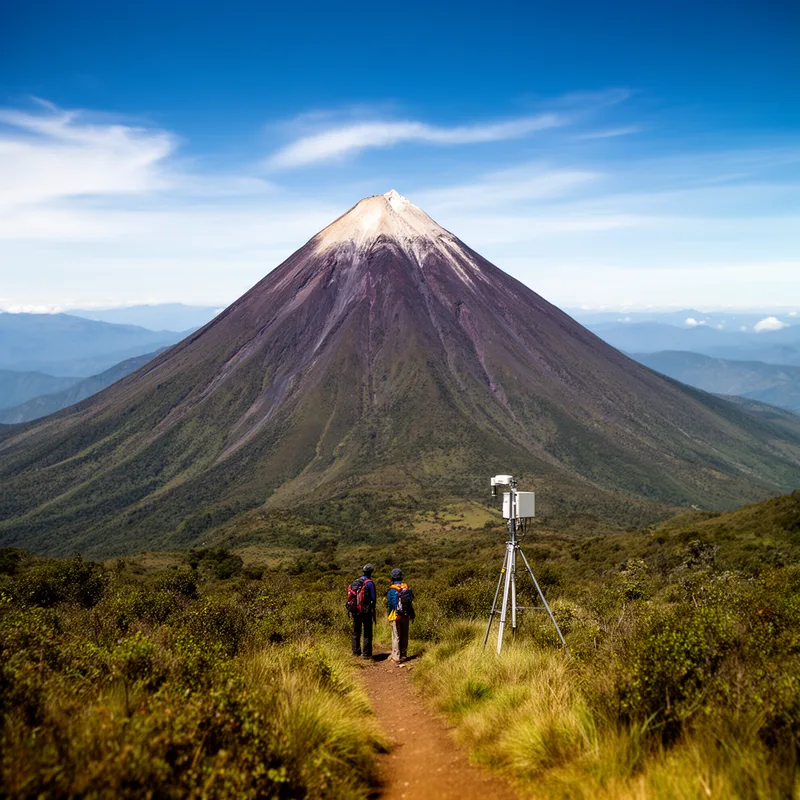
The Sangay is an inactive volcano in the Andes Mountains of Ecuador that last erupted in 1946.
-
Located in central Ecuador, Sangay is known for its stunning landscape and geological significance.
-
Hikers often visit the Sangay to enjoy its remarkable views, which are a testament to the region's volcanic activity.
Surface Forms
Etymology
Sangay comes from a local indigenous name for the mountain in Ecuador that people there have used for centuries. A helpful way to remember Sangay is to think of 'singe' (to burn), because this famous peak in the Andes is a volcano that has burned and shaped the land.

