

Salix candida
- noun
- Specialized
- The distinctive whitish leaves of Salix candida make it easy to identify among other willow species.
Examples
-
Salix candida is often found in wet meadows and along the shores of lakes in northern North America.
-
Botanists studied the ecological role of Salix candida in supporting native wildlife populations.
-
The Salix candida thrives in wetland areas.
-
Have you seen a Salix candida in bloom?
-
Salix candida is commonly found near marshes and streams in northern parts of North America.
-
The beautiful white fuzzy leaves of Salix candida help distinguish it from other willows.
-
In spring, Salix candida produces catkins that attract various pollinators.
Synonyms
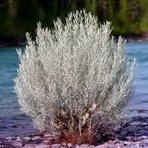
A North American shrub with long narrow light gray or white leaves
Surface Forms
Morphology
Salix + candida
The name is compositional in that it is genus (Salix = willow) + specific epithet; if a learner knows that 'candida' conveys 'white/whitish' (Latin origin), they can infer this refers to a whitish willow. However 'candida' is a Latin/technical epithet not found in the provided dictionary entry and is unlikely to be known by an average B1 learner, so the transparency is only partial.
Etymology
Salix candida comes from Latin: Salix means 'willow' and candida means 'white', giving the image of a willow with pale, woolly leaves. So the name describes the shrub's whitish leaves and is why people call it 'sageleaf willow'.

